Song Meaning
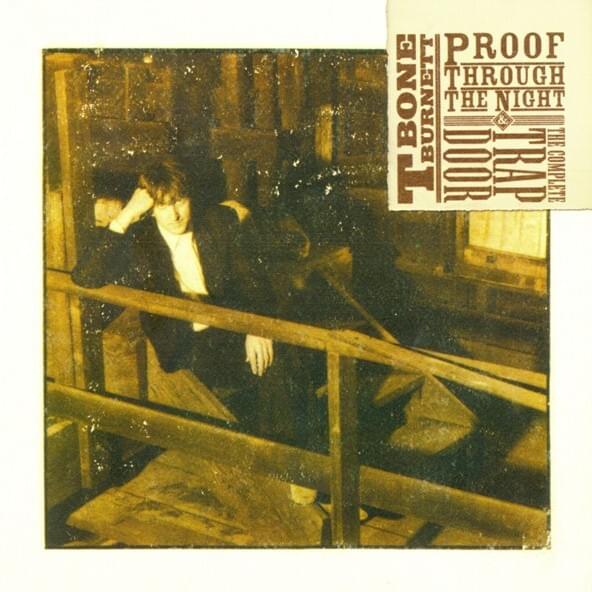
T Bone Burnett's "Trap Door" isn't so much a song as it is a series of koans strung together with a haunting melody and a palpable sense of dread. The lyrics delve into the paradoxical nature of human existence, dissecting concepts like humility, love, and satisfaction with surgical precision. Burnett isn't offering easy answers; instead, he's exposing the inherent contradictions within our desires and pursuits. The recurring motif is the idea that direct pursuit of a virtue or a pleasure negates the possibility of attaining it. Wanting to be humble makes you the opposite; seeking pleasure only delivers pain. This is a world turned inside out, where the map is not the territory.
The verses paint a bleak picture of human psychology, highlighting our self-deception and the futility of chasing after fleeting rewards. The lyrics suggest a world governed by inverse relationships: the harder you try to be loved, the less loveable you become; the more you seek leisure, the harder you must work. It's a commentary on the ego's insatiable appetite and its tendency to sabotage our genuine happiness. This resonates deeply with psychological concepts like the hedonic treadmill, where individuals continually seek pleasure but remain at a stable level of happiness. Burnett seems to suggest that true contentment lies not in the pursuit of external validation or material possessions, but in accepting the inherent absurdity of existence.
The "Trap Door" itself operates as a metaphor for the unexpected pitfalls that await us on this twisted path. The repetition of the phrase, "Watch out for the trap door…," serves as a constant reminder of our vulnerability and the precariousness of our situation. It’s the rug being pulled out from under you just as you think you've achieved some level of understanding or control. The lines, "Tonight, the world looks like a different place… Tonight, we find ourselves alone at last…," evoke a sense of isolation and disorientation. Are we alone because we've finally stripped away the illusions, or because we've fallen through the trap door and into some personal hell? The ambiguity is the point. "Trap Door" isn't a comfortable listen, but it's a deeply thought-provoking one, offering a stark and unflinching look at the human condition. Ultimately, the song meaning revolves around the idea that genuine understanding and perhaps even liberation come from recognizing and accepting these paradoxical truths.
 View Artist