Song Meaning
T Bone Burnett's "Madison Avenue" isn't just a song; it's a philosophical acid trip disguised as a blues lament. The track revolves around a central riddle, relentlessly probing the identity of the "father of lies" and the "master of half-truth," ultimately equating it with the seductive, deceptive force of Madison Avenue itself. Burnett isn't merely critiquing advertising; he's indicting the very system that manufactures desire and distorts reality. The song suggests that the relentless pursuit of consumerism and manufactured image has eclipsed genuine values, leaving us trapped in a hall of mirrors where truth is a casualty.
The lyrical imagery is a masterclass in surreal juxtaposition. A "50-foot long bronzed naked girl" clashes violently with a "travel poster in a prison cell," highlighting the stark contrast between the manufactured paradise peddled by advertising and the grim reality it often obscures. The "wooden nickel in a wishing well" is a particularly potent symbol of false hope and the emptiness of material pursuits. Burnett paints Madison Avenue as a purveyor of illusions, offering fleeting moments of satisfaction that ultimately leave us unfulfilled and yearning for something more. The song cleverly uses these images to dig into the psychological impact of advertising.
Burnett doesn't offer easy answers or moral platitudes. Instead, he presents a stark, unflinching portrait of a culture drowning in artifice. The final lines, evoking a "death cult" and a love affair that destroyed a nation, suggest the catastrophic potential of unchecked manipulation and the erosion of truth. The "desperate desert battle to the death" evokes imagery of internal struggle, perhaps a signal that we must each fight our own battles to see reality clearly, resisting the allures of Madison Avenue and seeking something more substantial than what it offers. In essence, "Madison Avenue" is a dark mirror reflecting our own complicity in the perpetuation of a culture built on lies and half-truths.
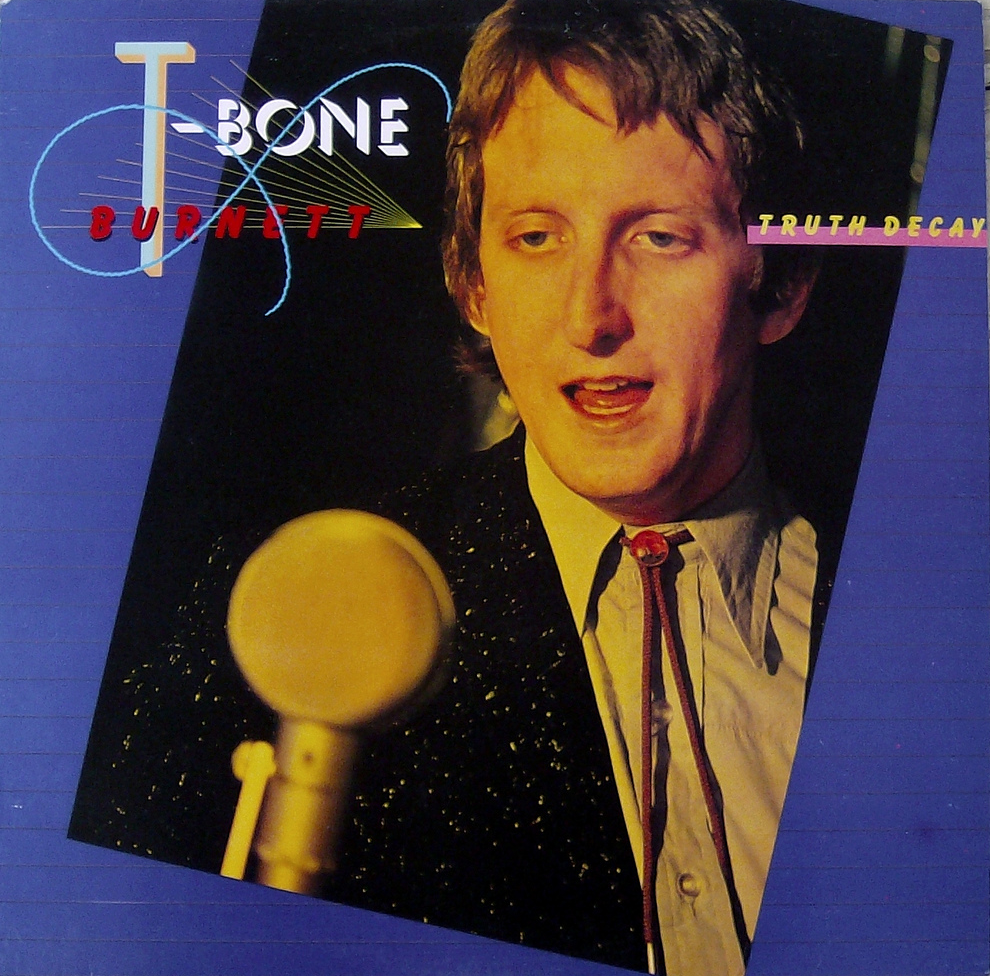
 View Artist