Song Meaning
T Bone Burnett's "I Remember" isn't just nostalgia; it's a surgically precise dissection of how memory itself functions, warped by longing and regret. The song's simplicity is deceptive. Burnett lays bare the selective process of recollection: clinging to "all the good times, all the red wine and the headlines," while conveniently forgetting the "bad times" and "deadlines." This isn't mere sentimentality; it's a defense mechanism. The human mind, desperate to reconcile the past with the present, edits out the dissonant notes, creating a palatable, if ultimately false, harmony. The lines evoke a past relationship defined by shared ambition and a touch of recklessness ("dreams to kill"), hinting at a bond forged in a specific, perhaps fleeting, moment in time. The repetition of "I remember" becomes almost obsessive, a mantra against the encroaching darkness of what he's trying to forget.
But the cracks in this carefully constructed facade begin to show. The imagery shifts from vibrant reminiscence to stark loneliness. "Underneath the pale moonlight, I hear the lonesome whistle cry" introduces a palpable sense of isolation. The "pain that will not go away" is the unavoidable truth that the curated memories are, in the end, insufficient. The central question, "And do you ever think of me, and remember all the good times?" reveals the core vulnerability: the fear that the other person doesn't share the same selective memories, that the shared past is not so shared after all. This is the crux of the song's emotional power – the aching desire to be remembered as favorably as one remembers.
The final verse, "I remember when I found you," suggests a rediscovery, perhaps even a reunion, followed by the crushing realization of how drastically things have changed. "We drifted apart / Before we knew each other's heart" is the ultimate tragedy – a missed connection, a potential unrealized. The repeated "I remember" at the song's close is no longer a comforting mantra but a desperate plea, a final attempt to grasp at a fading connection, to rewrite the narrative and reclaim what was lost. "I Remember", at its heart, explores the psychological weight of the road not taken, and the bittersweet comfort (and inherent unreliability) of the memories we choose to keep alive.
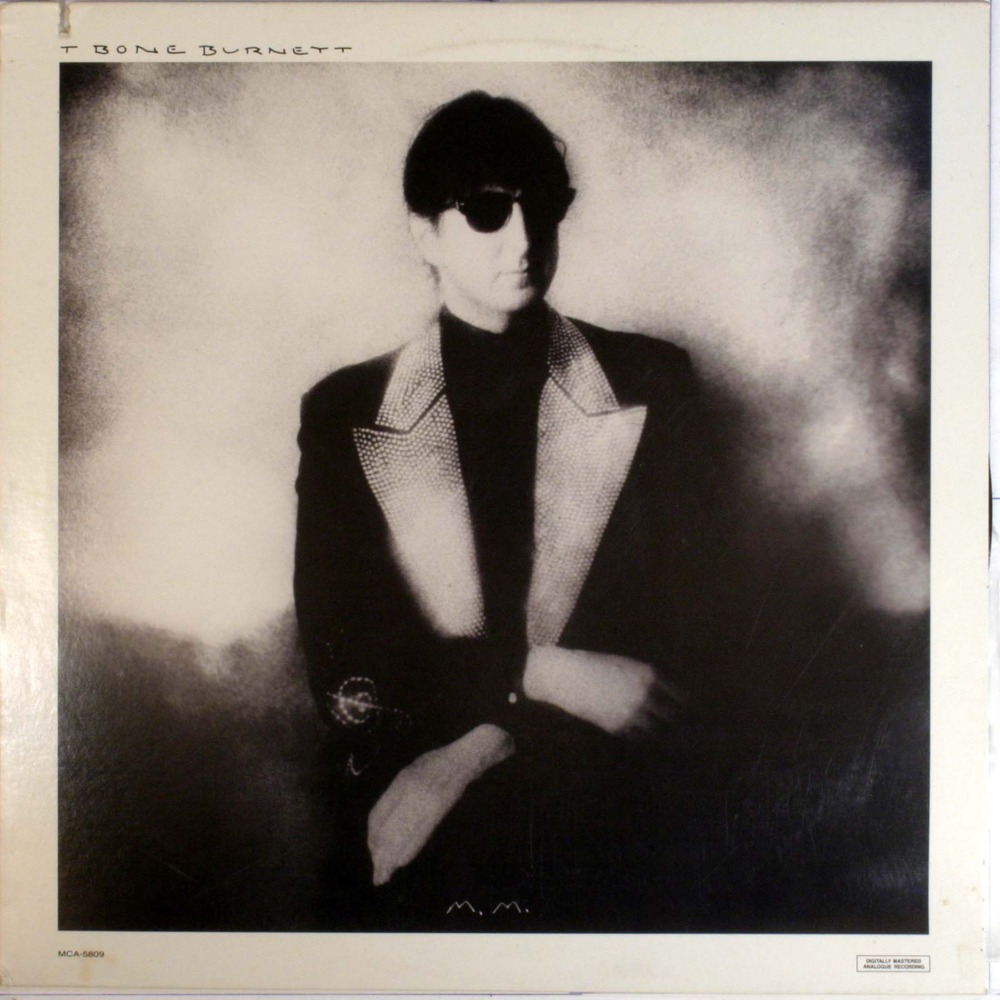
 View Artist