Song Meaning
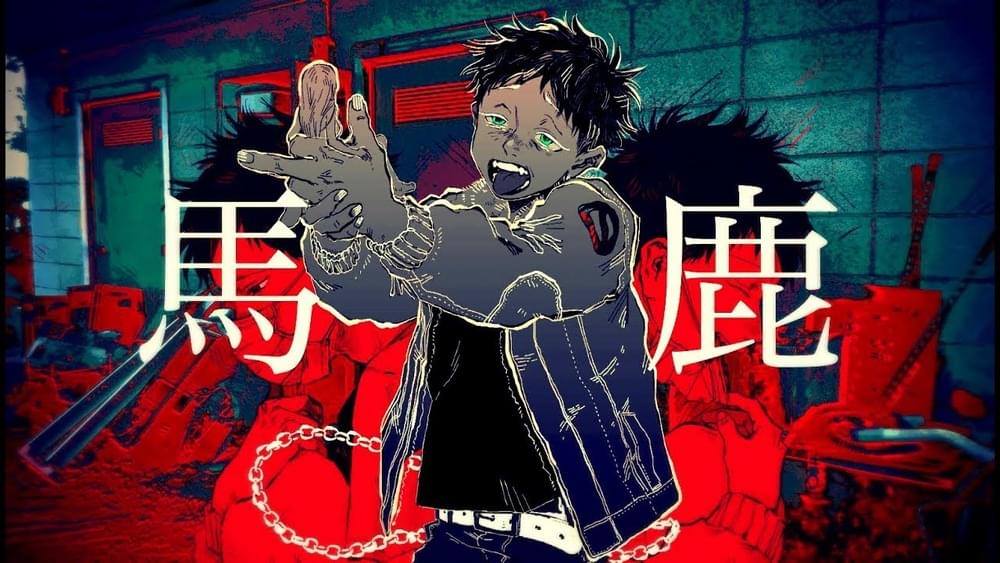
This track paints a stark portrait of someone perceived as manipulative and self-absorbed, contrasted with a narrator who sees through the facade. The lyrics open with a weary question, "How many times do I have to say you're not alone?" immediately establishing a tone of exasperation. The narrator observes the subject's "habit of hiding bruised wrists" and even finds that "stylish," suggesting a detached, almost aesthetic appreciation for the other's self-harm or distress, highlighting a profound disconnect.
The central conflict arises from the narrator's intense dislike for the subject's "pretense" and "disdainful attitude." The lyrics repeatedly express disgust at the subject's "flimsy pride" and "two-faced talk of weakness," portraying them as someone who uses their perceived victimhood to manipulate others. The narrator vows not to let the subject escape accountability, promising to "drag you down to hell" once their "glass slipper expires," a clear image of a temporary, perhaps privileged, status ending.
The most striking craft element is the relentless, almost venomous, direct address. Phrases like "You always say such cruel things so easily" and "I hate your pretense" are not subtle. The lyrics employ sharp, accusatory language, comparing the subject to the "daughter of the silk merchant" who "kills people with soft eyes," implying a dangerous, deceptive charm. This directness, coupled with vivid imagery of downfall – "lose everything," "regret your indelible scars," and being "dropped to the bottom of hell" – creates a powerful sense of condemnation.
Ultimately, the lyrics resonate because they articulate a visceral reaction to perceived insincerity and emotional manipulation. The narrator's harsh judgment, while brutal, feels cathartic, offering a voice to the frustration of dealing with someone who weaponizes their own pain. The final lines, urging the subject to "burn this moment into your eyes," suggest a desire for the subject to finally confront the reality of their actions and the world's rejection, even as the narrator offers a final, almost ironic, "Hold me."