Song Meaning
The lyrics immediately plunge us into a stark, intimate scene of severe illness. A speaker, confined and suffering, directly addresses a witness, urging them to confront the grim reality: "You cannot swallow" what they've seen. There's a palpable sense of prolonged agony and a desperate plea for understanding.
The central tension here lies in the speaker's profound weariness with life juxtaposed against their continued, unwanted existence. Phrases like "I've known this too long" and the haunting question "When does death follow?" reveal a soul utterly exhausted by suffering. Yet, the repeated, almost defiant "Yeah, I'll see you tomorrow" suggests a cruel cycle of survival, not hope.
The raw, unvarnished language is particularly striking. The speaker doesn't shy away from the indignities of their condition, issuing direct commands: "Roll me over" when sick, change their bed, drug them up. This unflinching honesty strips away any romanticism, forcing the listener to witness the brutal reality of a body failing, while the mind remains acutely aware and in anguish. The chillingly modern request to "delete my misery" underscores a desire for an end to suffering that transcends mere physical pain.
What makes these lyrics so impactful is their refusal to soften the blow. The speaker's lucidity, even as their body is described as "helpless, breathless," creates a devastating emotional punch. The intimate details of care, combined with the desperate longing for release, paint a picture of suffering so intense it becomes almost unbearable to witness. The lyrics don't just describe pain; they make you feel the weight of a life that has become a prolonged, unwanted burden.
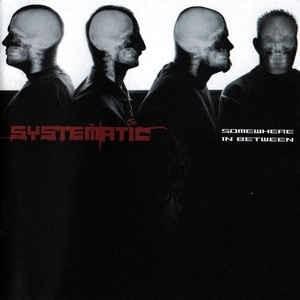
 View Artist