Song Meaning
The lyrics paint a vivid picture of two people locked in an intense, uncertain encounter. It's a dance of observation and pretense, where outward bluffs clash with undeniable inner truths. The central question hangs heavy: "Chissà" – who knows what will come of it?
At its heart, this piece explores the thrilling, yet terrifying, ambiguity of a new connection. The narrator frames the interaction as a meeting of "Angeli e diavoli," suggesting a push-pull between opposing forces, perhaps within themselves or between them. This duality creates a palpable tension, as both parties "si studiano un po'" while simultaneously "bluffano sempre un po'."
The most striking element is how the lyrics pinpoint the eyes as the ultimate betrayer of true feeling. Despite the careful observation and deliberate "bluffing," the narrator asserts, "ti tradiscono Gli occhi che hai Quando incontrano Gli occhi miei." This intimate detail cuts through the pretense, revealing a raw vulnerability that neither party can fully hide, making the stakes feel incredibly personal. The second verse deepens this, noting that even after they "si colpiscono E si feriscono," those same eyes are described as "teneri."
This lyrical effectiveness stems from its masterful blend of suspense and a sudden, profound intimacy. The repeated "Chissà" ("Who knows?") keeps the listener suspended in uncertainty, wondering "Se è inferno o paradiso." Yet, amidst this "navigando nell'ambiguità," a powerful, almost fated, declaration emerges: "Forse noi ci apparteniamo già." This unexpected assertion of a deep, pre-existing bond, juxtaposed with the ongoing mystery, makes the connection feel both dangerous and destined, resonating long after the final "Chissà."
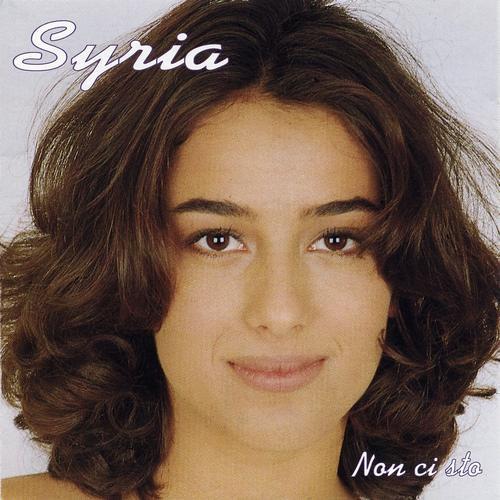
 View Artist