Song Meaning
The lyrics paint a raw picture of existential dread and the fear of aging, framed by personal history and familial observation. The opening lines immediately establish a sense of profound distress: "I was shaking, falling to pieces," a visceral image of losing control. This internal turmoil is witnessed by the narrator's son, who has seen this breakdown "two times before," suggesting a recurring struggle that deeply impacts the family. The phrase "One last goodbye" hints at a significant, perhaps final, farewell, juxtaposed with the memory of the son's birth, creating a poignant contrast between endings and beginnings.
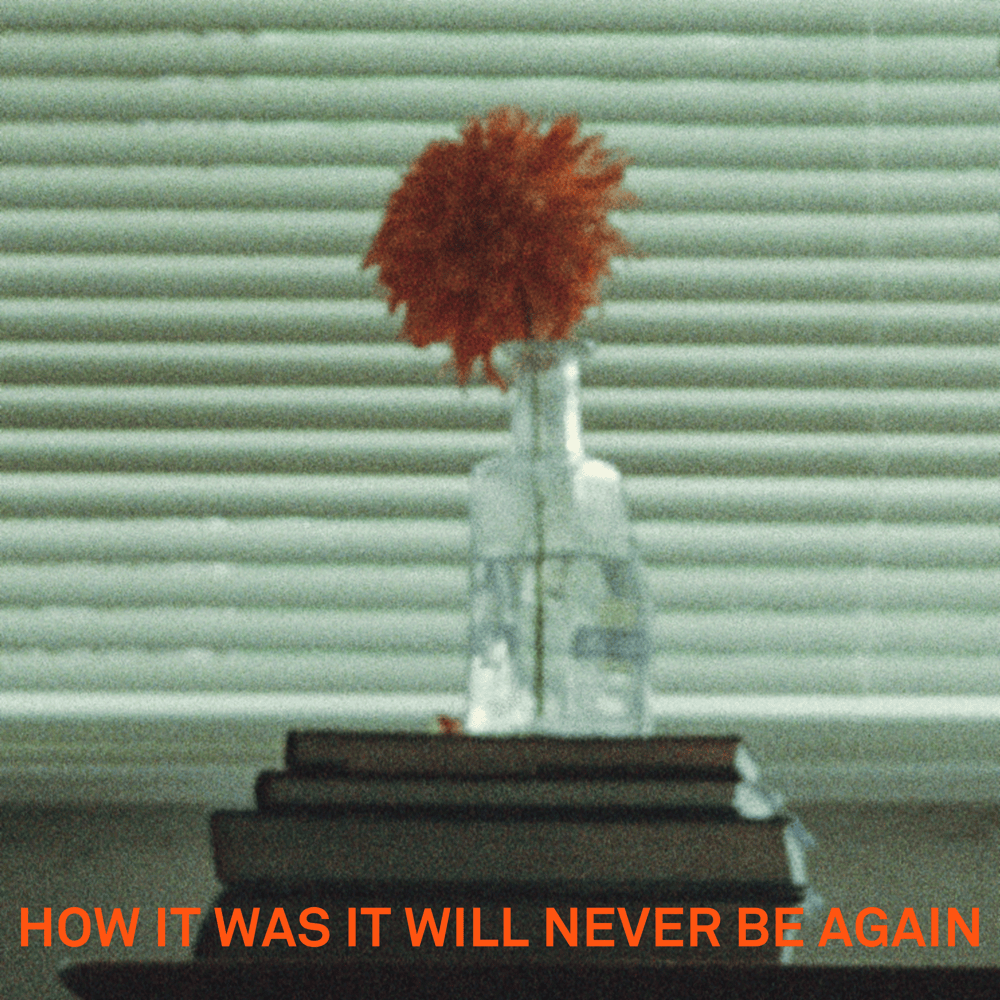
The central tension revolves around the narrator's desperate resistance to the passage of time and the inevitable changes it brings. The chorus is a plea for intervention, "Count me down from ten / 'Cause I don't wanna feel myself getting older." This isn't just about physical aging; it's about the loss of a past self and the fear of what lies ahead. The line "Talk me off the ledge" is a direct cry for help, indicating a precarious emotional state. The repeated refrain, "How it was, it will never be again," serves as a stark, unyielding acknowledgment of irreversible loss and transformation.
A fascinating lyrical device is the deliberate mirroring and distortion of past memories. The narrator recalls "Young September like it was last year," a nostalgic idealization of youth. However, this is immediately followed by a confusing reordering of significant life events: "When we got married and when I was born." This jumbled chronology, especially placing birth last, suggests a mind grappling with its own timeline and the overwhelming feeling of regression or a loss of self-identity. The bridge offers fleeting, sensory anchors to the past – "the sound of the secret chord? / Or the smell of your family home?" – moments that might offer solace but are presented as uncertain questions, further highlighting the narrator's disorientation.
Ultimately, the effectiveness of these lyrics lies in their unflinching portrayal of vulnerability and the specific, almost claustrophobic, focus on the narrator's internal experience. The repetition of the chorus, particularly the shift from "getting older" to "starting over" in the final iteration, underscores the cyclical nature of this fear and the profound difficulty of accepting new phases of life. The lyrics don't offer easy answers, but rather capture the raw, disorienting feeling of confronting mortality and the irretrievable nature of the past.
 View Artist