Song Meaning
Sylvie Vartan's "Une feuille d'or" isn't merely a song; it's a masterclass in melancholic imagery, using the falling golden leaf as a poignant symbol of love's decay. The opening lines establish the setting – a wet, autumnal landscape mirroring the emotional climate of a relationship nearing its end. The "feuille d'or," or golden leaf, represents the fleeting beauty of summer, a metaphor for the passionate, vibrant phase of a romance now fading. The repeated phrase, "il faut se quitter," underscores the unspoken understanding between two lovers that their time together is ending. The silence in their gaze speaks volumes, suggesting a weariness that words can no longer adequately express. This isn't a sudden rupture, but a slow, inevitable drift.
The second verse introduces a physical embrace, a desperate attempt to hold onto what's slipping away. However, the line "le temps n'a pas pitié" (time has no pity) highlights the futility of their efforts. The image of withered flowers reinforces the theme of decay and loss, leading to an outburst of tears. This isn't just sadness; it's a deep, visceral grief over the irretrievable passage of time and the death of a shared dream. Vartan isn't simply recounting a breakup; she's dissecting the agonizing process of acceptance.
The final verse delivers the most crushing blow. The golden leaf falls onto a wounded heart, a symbolic gesture of attempting to preserve a piece of the lost love. The act of picking up the leaf, only to have it crumble, signifies the impossibility of holding onto the past. It's a stark realization that the lover will never return. The breaking leaf is a powerful metaphor for the fragility of memory and the ultimate impermanence of love. "Une feuille d'or" is not just a song about a breakup; it is an exploration of the pain of realizing that some things, no matter how precious, are destined to fade and disappear.
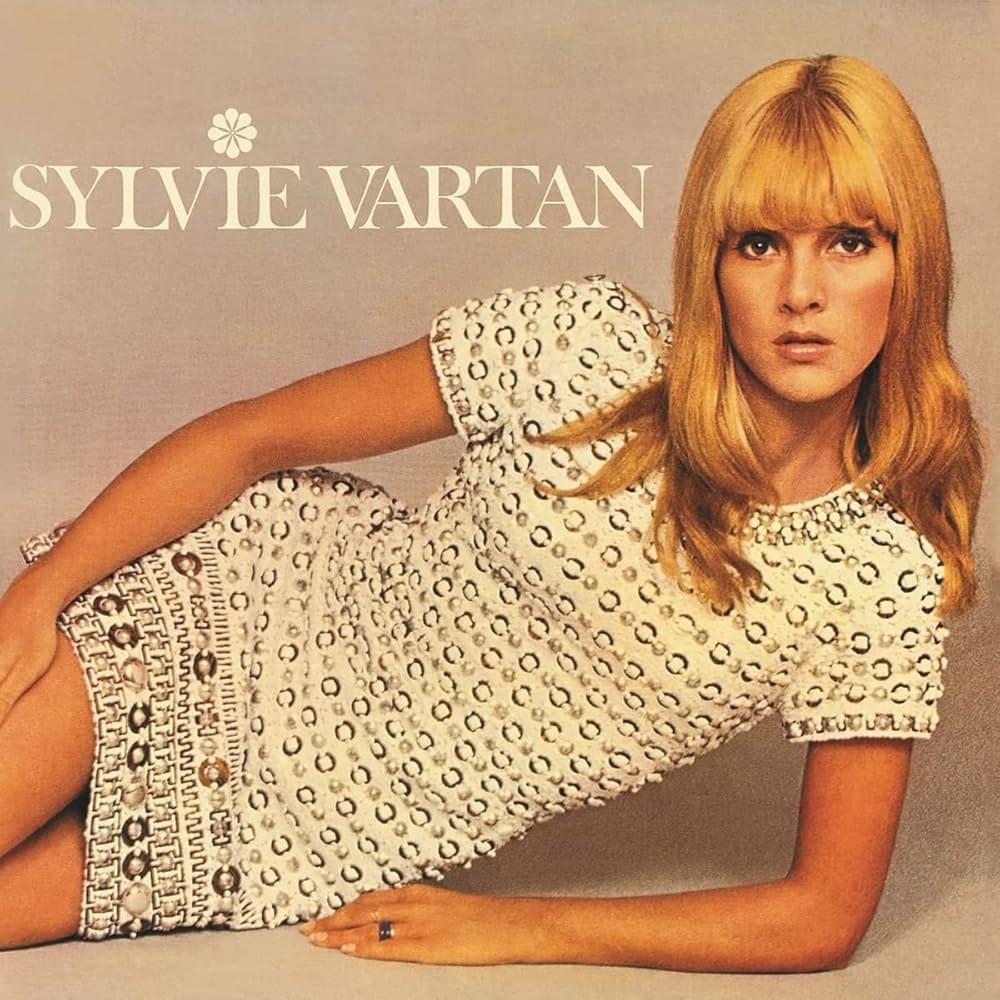
 View Artist