Song Meaning
Sylvie Vartan's "Une Blonde, Une Brune" spins a deceptively simple narrative into a potent commentary on the enduring, chaotic power of female allure. The lyrics, though repetitive, function like a hypnotic incantation, embedding the central theme: that men, regardless of their station (sailor, farmer) or romantic archetype (Casanova, Romeo), are perpetually undone by the contrasting forces of a blonde and a brunette. It's not the obvious dangers—the sea, the fields—that lead to their metaphorical demise, but the irresistible pull of these archetypal women. The repeated line, "C'est une brune, c'est une blonde," acts as a mantra, solidifying their symbolic weight. This isn't just about hair color; it’s about the duality of female attraction. One can imagine the blonde representing an ethereal, innocent beauty, while the brunette embodies a more grounded, sensual energy.
The song's genius lies in its cyclical structure. The earth, whether "carrée ou ronde," revolves around this eternal pairing. The reference to "mettre en bière" (burying someone) isn't literal, of course. It suggests a kind of romantic downfall, a surrender to the intoxicating spell cast by these women. The lyrics repeatedly state how, in “tous les ports, tous les bars,” it’s the “même histoire.” The song suggests a universal, timeless truth. It suggests that men are doomed to endlessly chase this elusive combination. The phrase "C'est le chaos" isn't a condemnation, but rather an acknowledgment of the disruptive, life-altering impact these women have.
Ultimately, "Une Blonde, Une Brune" isn't just a catchy tune; it’s a meditation on the age-old power dynamic between men and women. Vartan doesn't offer judgment or resolution, but rather a knowing observation of the human condition. The song's meaning exists in its recognition of this primal, cyclical pattern of attraction and its consequences. It's a celebration, and perhaps a subtle warning, about the enduring influence of the blonde and the brunette—a force that continues to shape our world, one Casanova and Romeo at a time. The eternal dance between these polar opposites serves as an analysis of desire itself.
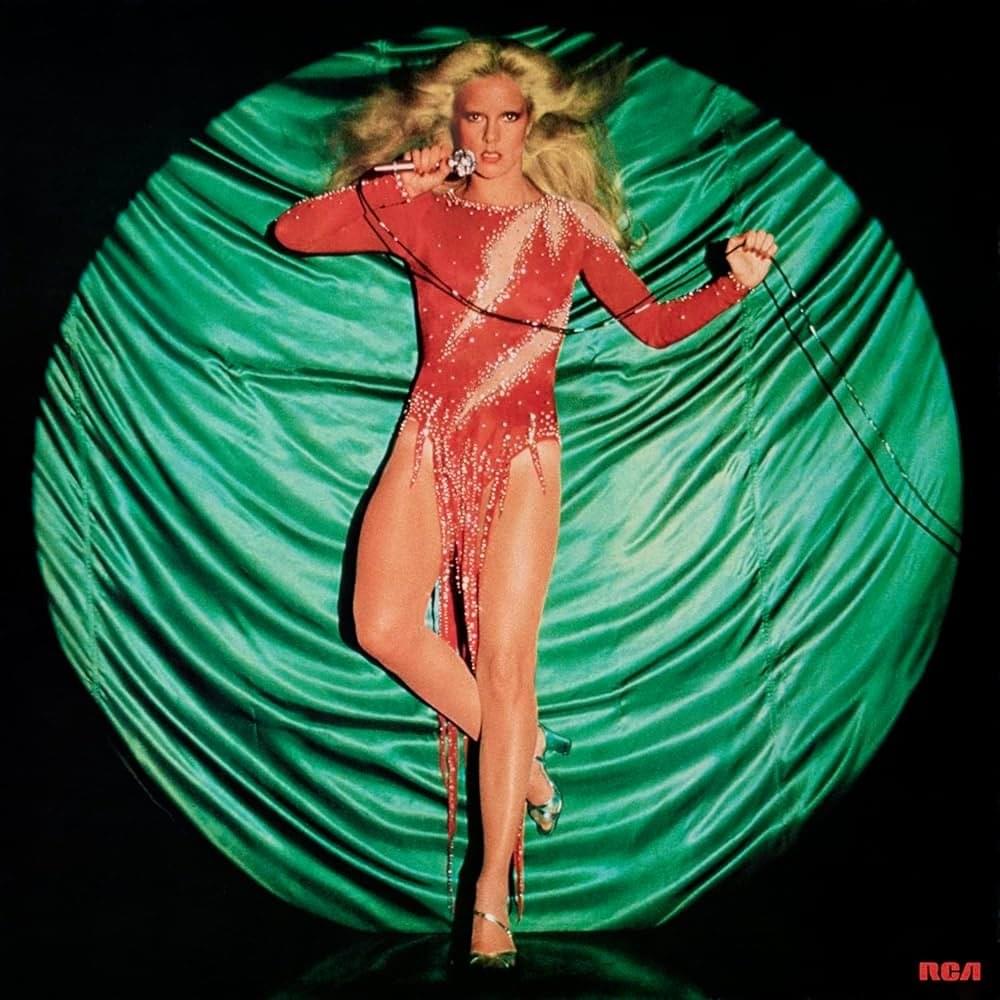
 View Artist