Song Meaning
Sylvie Vartan's "Quand le vent se lève" isn't just a breezy ode to nature; it's a sophisticated exploration of love's enduring power, using the wind as a central metaphor. The lyrics paint a vivid picture of the wind's various guises – a gentle shepherd guiding clouds, a force propelling sailboats, and a playful presence in a lover's hair. These aren't simply observations, but rather projections of the singer's emotional landscape, mirroring the different stages and nuances within a romantic relationship. The recurring line "J'aime le vent" (I love the wind) becomes a mantra, a declaration of embracing change and the unpredictable nature of both life and love.
The song's deeper meaning surfaces in the chorus, where the wind's presence is directly linked to the beloved. "Quand le vent se lève / Celui des jours heureux / Où ma vie s'éclaire en bleu / Comme le bleu de tes yeux" ("When the wind rises / That of happy days / When my life lights up in blue / Like the blue of your eyes"). The wind here symbolizes the joyful, illuminating aspects of love, directly connected to the lover's gaze. Yet, Vartan doesn't shy away from acknowledging the inevitable challenges. Even "sous des nuages noirs" (under dark clouds), the wind "chante encore l'espoir" (still sings hope), suggesting an unwavering belief in the relationship's resilience, even during difficult times. This juxtaposition reveals a mature understanding of love, one that acknowledges both its euphoric highs and inevitable lows.
Ultimately, "Quand le vent se lève" is about the transformative power of love and its ability to endure despite life's storms. The wind, as a symbol, embodies both the external forces that shape our lives and the internal emotions that drive us. The lyrics convey a sense of longing and anticipation, particularly in the lines about waiting on the beach for the lover's return. This longing, however, is not one of despair, but rather a testament to the strength of the bond. The wind becomes a force that not only connects the lovers but also makes time itself seem to bend, as the "nuits de notre amour / Ne comptent plus les jours" (nights of our love / No longer count the days). Through her poetic lyrics, Sylvie Vartan crafts a timeless reflection on love's ability to transcend the ordinary and create a world where time itself becomes irrelevant.
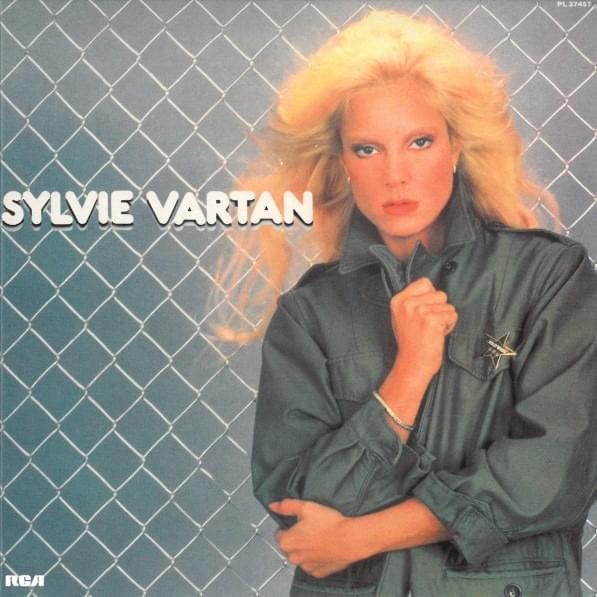
 View Artist