Song Meaning
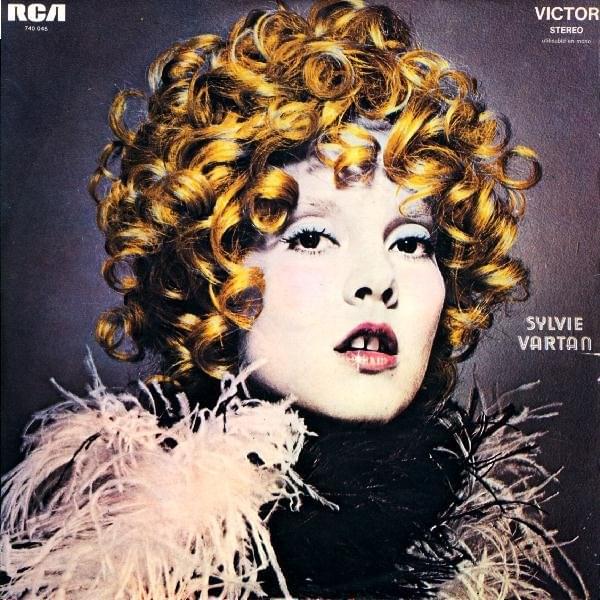
Sylvie Vartan's "Puisque tu t'en vas" isn't just a breakup song; it's an elegantly devastating inventory of loss. The opening lines, "Puisque tu t'en vas, je ne veux rien garder de toi," establish a tone of almost defiant relinquishment. She insists her departing lover take everything—the piano, the TV, summer photos, even past gifts. It's a scorched-earth policy of the heart, a desperate attempt to cauterize the wound of his absence. This isn't about material possessions; it's about erasing every trace of their shared existence, acknowledging that those objects are now irrevocably tainted by his departure. The act of giving everything away becomes an attempt to regain control in a situation where she has none. The repeated plea, "Mais mon amour, je t'en supplie, ne me console pas, j'en aurai trop de peine," exposes the vulnerability beneath the bravado.
The lyrics deepen as Vartan urges him to take not just objects, but also the pets ("le chat, le chien et le hibou"), her sister's slippers, his suitcase, and, most poignantly, "ta valise et mon cœur." This is a symbolic offering of her entire being, highlighting the totality of her investment in the relationship. The inclusion of "Mes regrets, mon bonheur" suggests an understanding that joy and sorrow are inextricably linked in love, and that both are now departing with him. It's a raw admission of the emotional wreckage he leaves behind.
The final verses reinforce the initial sentiment, emphasizing the impossibility of remaining in a space saturated with his memory. The "sono bien nommée, haute fidélité"—a high-fidelity sound system—becomes a cruel reminder of shared musical experiences, now rendered unbearable. The closing lines, "Je ne peux vivre ici, puisque tu t'en vas," are a stark declaration of her dependence on his presence. The act of handing over the keys symbolizes a relinquishing of not just the house, but also her past self, now rendered uninhabitable by his departure. The song meaning ultimately rests on this profound sense of displacement and the painful necessity of starting anew.
 View Artist