Song Meaning
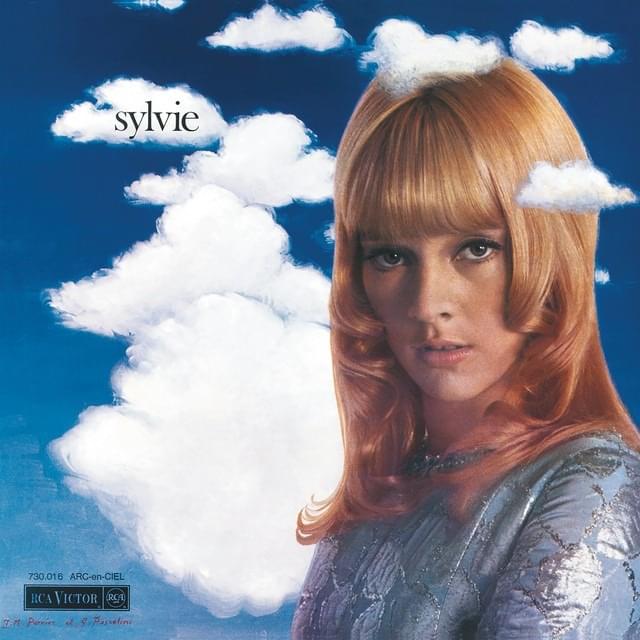
Sylvie Vartan’s “Ana W Elail - أنا والليل” (which translates roughly to "Me and the Night") spins with the cyclical ache of an impossible departure. It's a masterclass in the art of romantic procrastination, fueled by the changing seasons and the inescapable beauty of the beloved. The lyrics, though simple on the surface, reveal a complex internal struggle. The singer is trapped, not by obligation, but by an overwhelming sensory connection to her partner and the world they inhabit together. The repeated refrain, "Comment te quitter / Pas en été" (How to leave you / Not in summer), acts as the anchor of the song, a constant return to the impossibility of separation during the height of sensual experience.
The song's brilliance lies in how Vartan uses each season as a reason to delay the inevitable. Summer's "gris-vert" eyes mirroring the sea offer an intoxicating allure, an almost primal connection that makes leaving unthinkable. As the year turns, autumn presents its own challenge: the fear of weakening resolve amidst the changing leaves. Winter brings the stark image of footprints disappearing in the snow, a chilling metaphor for the fading memories that would follow a separation. And even spring, with its promise of renewal and freedom, is intertwined with the beloved, who is likened to migrating white birds battling against the wind. The lyrics never explicitly state *why* the singer wants to leave, only that the desire exists, overshadowed by the overwhelming beauty and the deep connection that binds them.
Ultimately, "Ana W Elail - أنا والليل" becomes an exploration of the intoxicating power of presence and the agonizing beauty of a relationship on the verge of collapse. It suggests that sometimes, the reasons to stay, even when laced with sadness, are more compelling than the reasons to go. The song's melancholic melody, coupled with Vartan's emotive delivery, reinforces the feeling of being perpetually caught in a loop, forever bound to a love that is both cherished and painfully difficult to relinquish. It's a relatable portrait of the human heart, forever negotiating the push and pull of desire, obligation, and the simple, undeniable beauty of the present moment.
 View Artist