Song Meaning
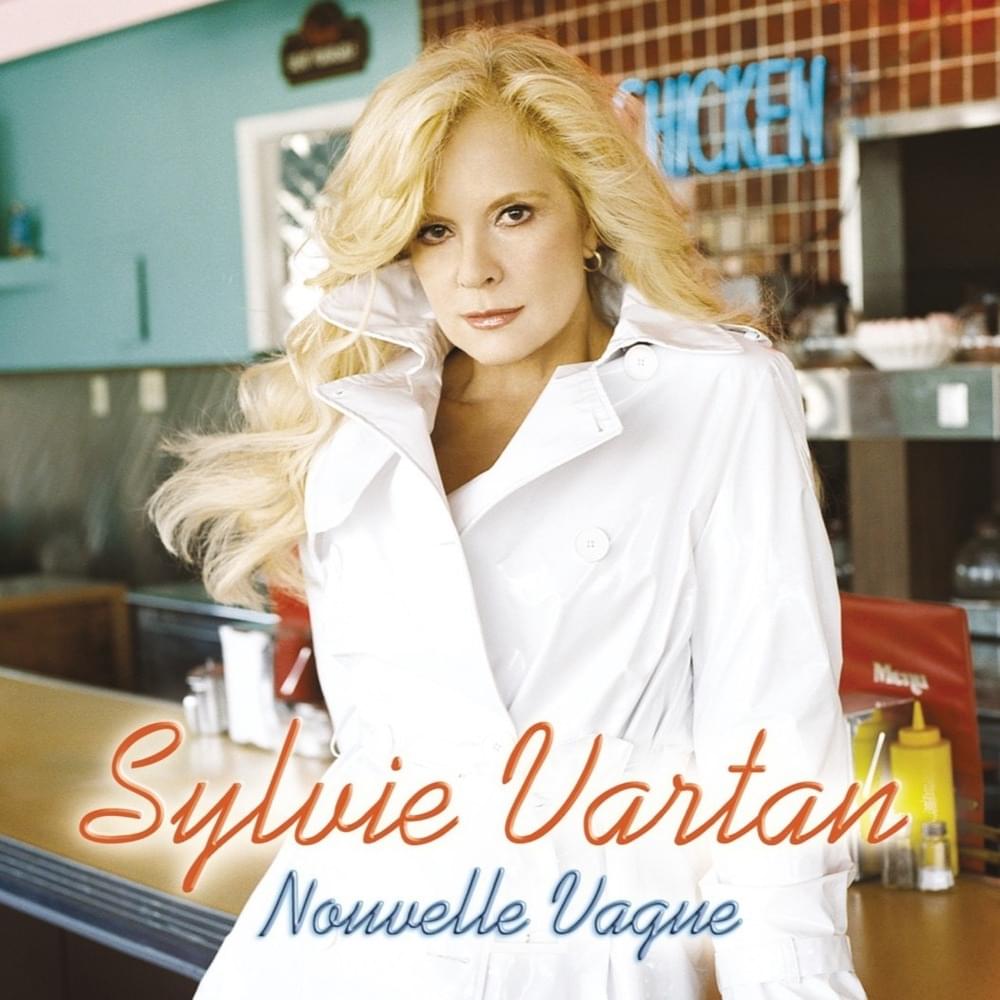
Sylvie Vartan's "Nouvelle Vague" isn't just a song; it's a raw nerve exposed, a primal scream articulated with French elegance. The title, translating to "New Wave," hints at a cultural movement, but the song's core is deeply personal, a landscape of inner turmoil painted with cries of love and despair. The recurring refrain, "Doux cri de ma vie / Doux cri de mes nuits" (Sweet cry of my life / Sweet cry of my nights), immediately establishes this duality: a sweetness intertwined with anguish, a life defined by intense emotional peaks and valleys. It's less a narrative and more a visceral outpouring, a sonic representation of a heart wrestling with its own vulnerabilities.
The lyrics function as a catalog of these emotional cries. There's the "cri de mon cœur" (cry of my heart), a plea for connection and understanding. Then comes the "cri d'amour" (cry of love), and the "cri d'émoi" (cry of emotion), showcasing the dizzying heights of passion. But these highs are immediately contrasted with the pain inflicted by the beloved, the "cœur qui geint" (heart that groans). This push-and-pull dynamic—joy and suffering, presence and absence—forms the central conflict of the song. The moments of joy are quickly undercut by the fear of loss, the "cri d'adieu" (cry of farewell) looming whenever the loved one departs.
Ultimately, "Nouvelle Vague" explores the inherent fragility of love, its capacity to both elevate and devastate. The "cri d'espoir" (cry of hope) reveals a yearning for lasting happiness, yet it's tempered by the "cri de foi" (cry of faith), a desperate gamble that this love is real and enduring. Vartan isn't simply singing about love; she's embodying its contradictory nature, its power to simultaneously heal and wound. The repetition of the refrain reinforces this cyclical pattern, suggesting that these emotional cries are not isolated incidents but rather a constant undercurrent in the singer's life, a testament to the enduring power—and pain—of love.
 View Artist