Song Meaning
Sylvie Vartan's "Moya Goro" (translated as "My Forest") isn't merely a pastoral ode; it's a melancholic meditation on beauty's inherent capacity to wound. The forest, presented as a symbol of youth and vitality ("Mirichech na mladost"), simultaneously inflicts sorrow and regret. This duality forms the emotional core of the song, suggesting that profound beauty is inseparable from a sense of loss or unattainable longing. The lyrics hint that anyone who truly beholds the forest's splendor will forever yearn to remain within its embrace, unable to fully escape its allure. But the forest also demands sacrifice; those compelled to leave can never forget it, carrying its imprint for life. This creates a tension between the joy of experiencing beauty and the pain of its inevitable transience.
The song's somber undercurrent is amplified by its exploration of nature's cyclical renewal. The lyrics touch on the heart's sensitivity to nature's rebirth, noting how spring banishes old age and life emerges even from cold and snow. This observation, however, doesn't bring comfort but instead triggers a lament. The forest embodies this paradox: a promise of perpetual renewal that underscores human mortality and the fleeting nature of personal experience. The beauty, therefore, isn't just aesthetic; it's a reminder of what is lost and what will inevitably be lost again.
Ultimately, the song meaning of "Moya Goro" lies in its recognition of beauty's bittersweet quality. It's a landscape of youthful promise that simultaneously evokes regret and enduring sorrow. The repetition of the refrain emphasizes the inescapable nature of this duality: the forest's beauty is a constant presence, a reminder of both what is cherished and what is ultimately unattainable. Sylvie Vartan's rendition transforms a seemingly simple appreciation of nature into a profound exploration of the human condition, where longing and sorrow are inextricably linked to the experience of beauty itself.
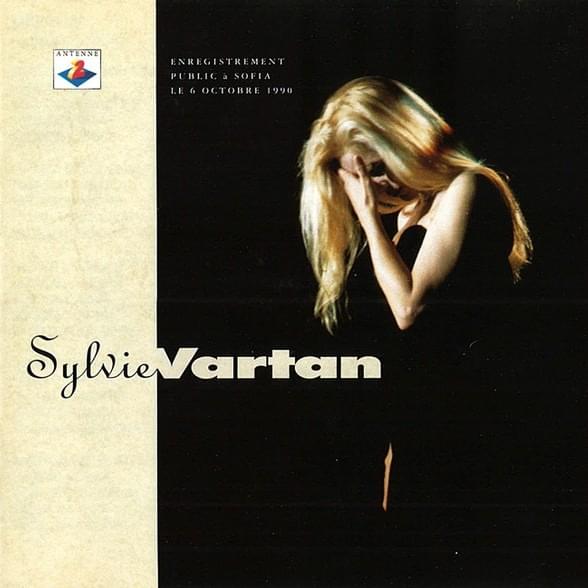
 View Artist