Song Meaning
Sylvie Vartan's "Moi (Je ne suis plus rien)" isn't just a song; it's a masterclass in melancholic yearning, a sonic portrait of a woman consumed by unrequited love. The track's simple declaration, "Moi, je ne suis plus rien" (Me, I am nothing anymore), sets the stage for a raw exploration of emotional dependency. Vartan doesn't shy away from the desperation inherent in watching a former lover move on, painting a vivid picture of her existence reduced to a shadow, a silent observer as he directs his affections elsewhere. The repetition of "Je t'aime" isn't a romantic affirmation, but a desperate, almost pleading mantra. It underscores the chasm between her enduring feelings and his indifference.
The song subtly dissects the power dynamics at play. The "other woman" is presented as possessing superficial advantages—"ses bijoux" (her jewels), the implication of material wealth. Yet, Vartan's narrator insists on the authenticity of her own love, suggesting the rival's affection is shallow, incapable of matching the depth of her own devotion. This comparison highlights the narrator's belief that genuine connection trumps material possessions, a conviction born from the pain of being overlooked. The lyrics cleverly tap into the listener's empathy, positioning the narrator as the 'true' lover, the one capable of profound emotional investment.
Ultimately, "Moi (Je ne suis plus rien)" captures the cyclical nature of hope and despair. The image of the former lover dining at "the restaurant where we used to go" amplifies the feeling of loss and displacement. Yet, amidst the heartbreak, there's a flicker of anticipation, a clinging to the possibility that he will eventually recognize the superficiality of his new relationship. This hope, however fragile, becomes the narrator's anchor, the reason she continues to wait in the shadows, perpetually suspended between nothingness and the faint promise of reunion. Vartan’s delivery transforms the simple lyrics into a powerful examination of vulnerability and the enduring, sometimes self-destructive, power of love.
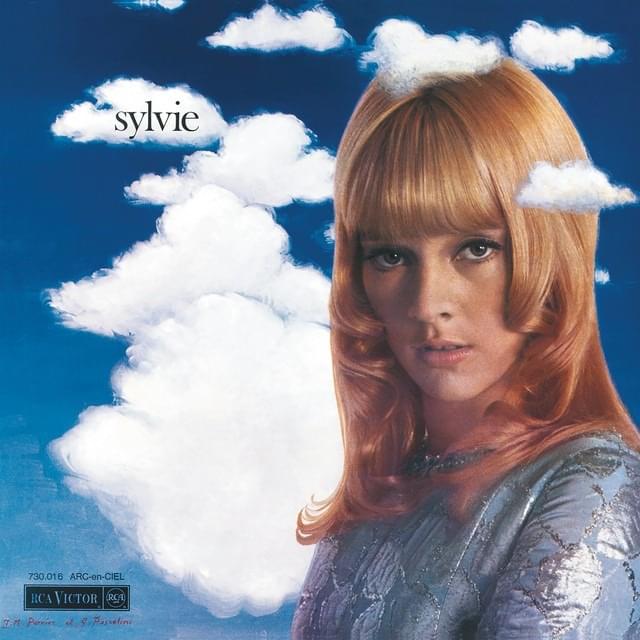
 View Artist