Song Meaning
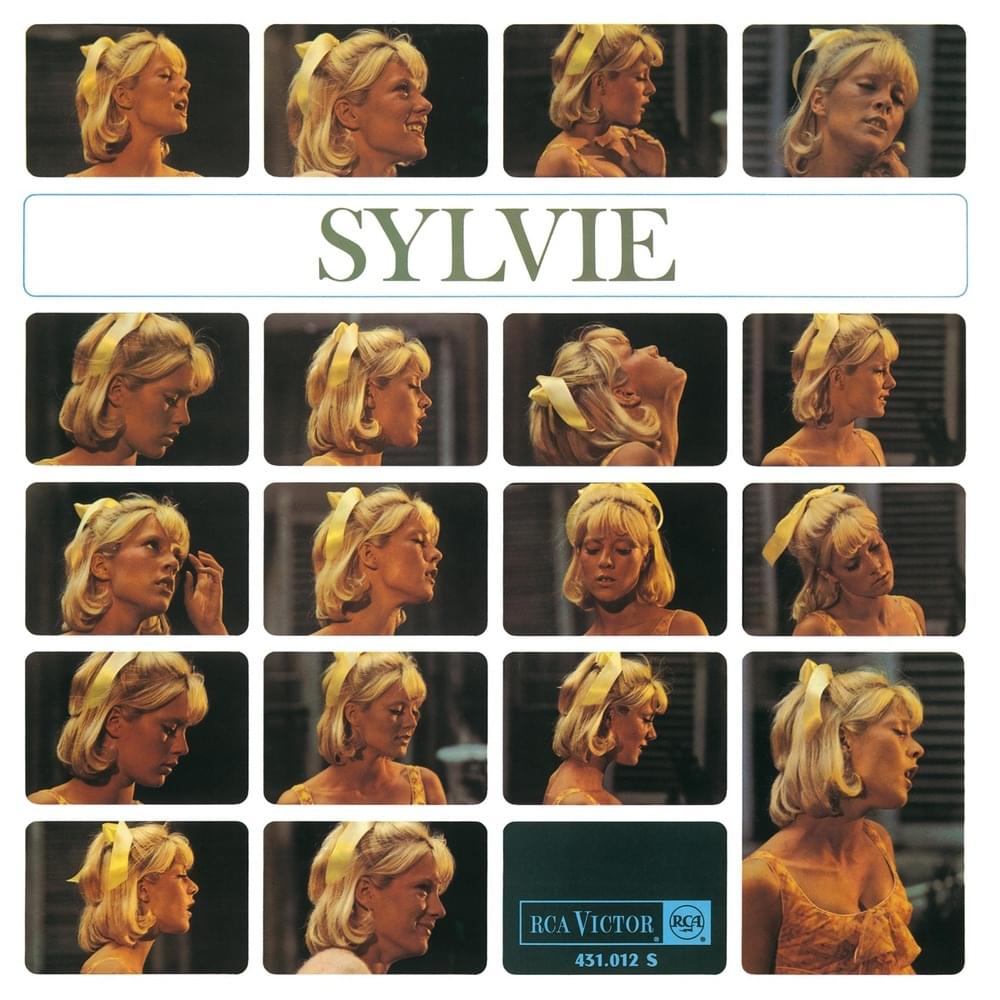
Sylvie Vartan's rendition of "Rose Room (Live at the Crescendo Club, 1955)" isn't merely a charming French tune; it's a surgically precise dissection of desire versus reality, a theme as relevant today as it was in the mid-20th century. The lyrics initially paint a picture of an idealized lover, a meticulously crafted fantasy born from dreams and the subtraction of flaws. This 'oiseau rare' (rare bird) is the embodiment of perfection: loyal, uninterested in other women, virtuous, and utterly devoted. Vartan's delivery, even in this live recording, hints at the subtle irony that underpins the entire song meaning.
The crux of the song hinges on the jarring confession that this paragon of virtue is, ultimately, a bore. "Mais ce garçon parfait, il me gâche la vie," she sings—this perfect boy is ruining my life. The reason? "Ce n'est pas lui que j'aime" (it's not him that I love). Here, Vartan exposes the uncomfortable truth that compatibility, even perfection on paper, doesn't guarantee genuine affection. It's a bold statement, particularly given the societal expectations placed on women at the time to seek out stable, 'suitable' partners. The song's lyrics analysis reveals a deeper exploration of emotional authenticity versus societal pressure.
"Rose Room" becomes an anthem for choosing genuine connection over manufactured perfection. The repeated line, "Dis adieu à l'oiseau rare, et laisse-le s'envoler" (Say goodbye to the rare bird, and let him fly away) isn't just a rejection; it's an act of self-liberation. Vartan's performance transforms the song from a simple love story into a nuanced commentary on the complexities of the human heart. It's a reminder that the most carefully constructed ideal can't compete with the messy, unpredictable, and often inconvenient truth of genuine love and desire. The performance at the Crescendo Club only amplifies this message, capturing the raw, unfiltered emotion of a woman choosing her own truth over societal expectations.
 View Artist