Song Meaning
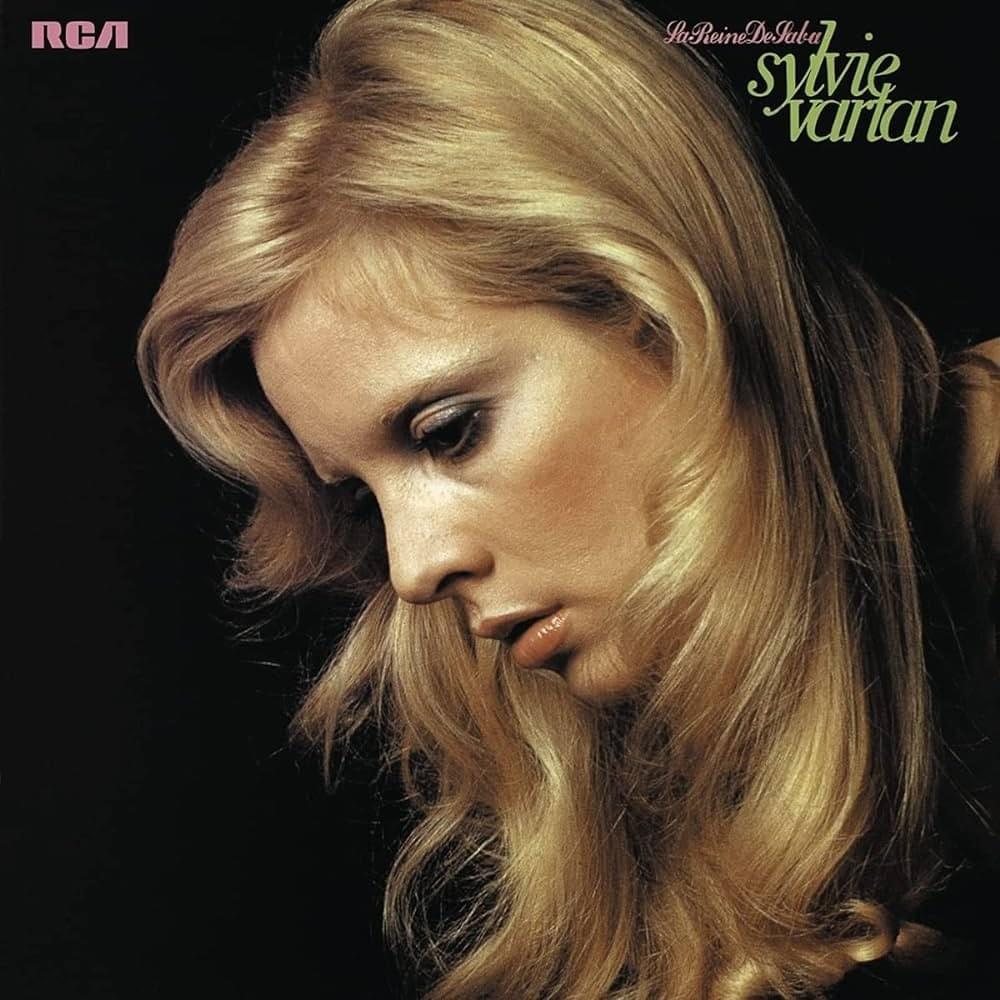
Sylvie Vartan's "La Reine de Saba" isn't just a song; it's a sonic séance, desperately summoning a lost love. The lyrics paint a portrait of someone consumed by a past relationship, a love so potent it has warped their present. The 'Reine de Saba,' or Queen of Sheba, acts as a powerful metaphor. The singer implores this lost queen to reclaim her kingdom, which in this context, is clearly the singer's own heart and life. The repeated plea, 'Viens reprendre ton royaume,' emphasizes the totality of the emotional surrender. It's not just about missing someone; it's about feeling fundamentally incomplete without them. The allusion to the Queen of Sheba, a figure of immense power and allure, elevates the lost lover to almost mythical status, suggesting the singer views them as irreplaceable and uniquely captivating.
The lyrics reveal a struggle with the passage of time and the possibility of moving on. There's an acknowledgment of trying to find solace in 'un autre regard,' another gaze, but an admission of failure. The line 'Mais je n'ai pas su attendre / Un autre bruit de pas' speaks volumes about the singer's inability to accept a replacement. They are frozen in anticipation, forever listening for the familiar sound of their lost love's return. This inability to move forward suggests a deep-seated fear of vulnerability and a clinging to the familiar, even if that familiarity is laced with pain. The question 'Est-ce ma faute / Est-ce ta faute?' hints at a lingering sense of blame and unresolved conflict, adding another layer of complexity to the already fraught emotional landscape.
Ultimately, the song meaning of "La Reine de Saba" resides in its exploration of longing and the difficulty of letting go. It's a raw, honest portrayal of how a past relationship can continue to exert a powerful influence, shaping our present and dictating our future. The repeated invocation of the Queen of Sheba serves not only as a symbol of the lost lover's power but also as a reflection of the singer's own vulnerability and their desperate hope for a reconciliation that may never come.
 View Artist