Song Meaning
Sylvie Vartan's "Twin" isn't a celebration of youthful exuberance; it's a melancholic autopsy of a love affair worn thin by time and repetition. The cyclical "jour après jour" (day after day) structure of the lyrics underscores the numbing effect of routine. Vartan meticulously catalogs the diminishing returns of intimacy: tenderness fades, words of love become rote, and promises morph into the comfortable lies that hold a fraying relationship together. The song meaning resides in the weariness; the couple has "fait le tour" (gone around) every emotional and physical landscape of their connection, leaving them stranded in a wasteland of silence and empty vows. The constant return to "au fil des jours" (as the days go by) emphasizes a relentless, inescapable march towards an inevitable conclusion.
The repeated assertion that "Et ce n'est pas ton rire d'enfant / Qui nous fera voir différemment" (And it's not your child's laughter / That will make us see differently) is particularly poignant. The presence of a child, presumably their own, serves not as a source of hope or renewal, but as a stark reminder of the life they've built together—a life now burdened by the weight of unspoken resentments and fading passion. The child's laughter, a symbol of innocence and potential, is powerless against the entrenched patterns of their relationship. Instead, "le temps, le temps fait son chemin" (time, time makes its way), an indifferent force leading them towards an uncertain future.
The analysis of the lyrics reveals a relationship mired in the past, clinging to vestiges of "ivresses" (drunkenness) and "caresses" (caresses) that have become mere memories. The "vertiges" (vertigo) are gone, replaced by a "prudence qui nous fige" (caution that freezes us). The song isn't necessarily about a dramatic breakup; it's about the quiet, insidious erosion of love, the slow death by a thousand tiny compromises. Vartan captures the feeling of being trapped in a loop, going through the motions, knowing that the spark is gone but lacking the will or courage to break free.
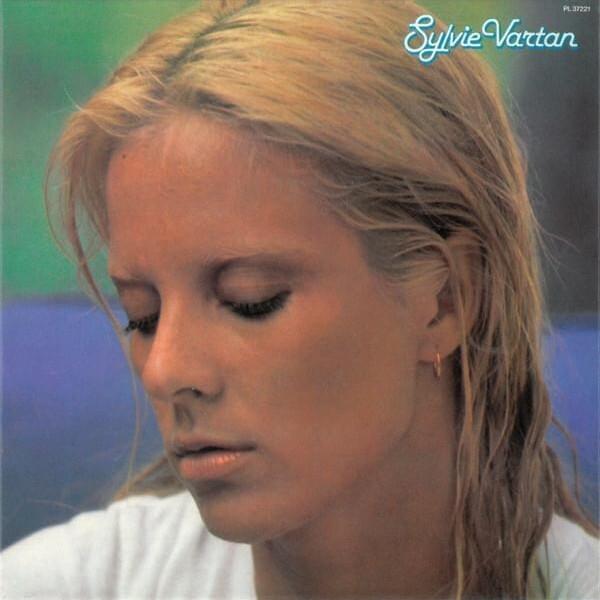
 View Artist