Song Meaning
Sylvie Vartan's "Je ne vois que toi" isn't just a song; it's a masterclass in the psychology of heartbreak, dissecting the agonizing experience of seeing an ex move on. The lyrics paint a vivid picture of a woman trapped in a loop of obsessive focus. The opening lines, "Je ne vois que toi / Parmi tous ces gens," immediately establish the central theme: an inability to break free from the memory of a lost love. The world shrinks, and all that remains is the haunting presence of the former partner. This isn't just sadness; it's a form of psychological fixation. The casual cruelty of the ex-lover is highlighted by the lines "Tu as l'air heureux / Et ça me fait mal."
The chorus, with its repetitive insistence on seeing them dance and laugh, amplifies the torment. It's a recurring nightmare played out in real-time, a constant reminder of what's been lost. The lyrics, "Chaque fois, moi, je me dis / Que toi et moi, c'est bien fini / Et qu'il vaut mieux que je t'oublie / Mais moi, je ne peux pas," expose the internal conflict at the heart of the song. The speaker knows, logically, that the relationship is over and that moving on is the only path to healing. Yet, she remains paralyzed by her emotions, unable to escape the gravitational pull of the past.
The subtle cruelty of the ex-partner, who is aware of her pain but indifferent to it, adds another layer of complexity. The lines "Toi, tu t'en aperçois / Mais ça ne te gêne pas / Et ça t'est bien égal" reveal a profound sense of betrayal and abandonment. "Je ne vois que toi" encapsulates the disorienting and often irrational nature of heartbreak, revealing how love can warp perception and hold us captive long after it's gone. The song meaning revolves around the psychological warfare of unrequited longing and the struggle to reclaim one's own gaze from the object of affection.
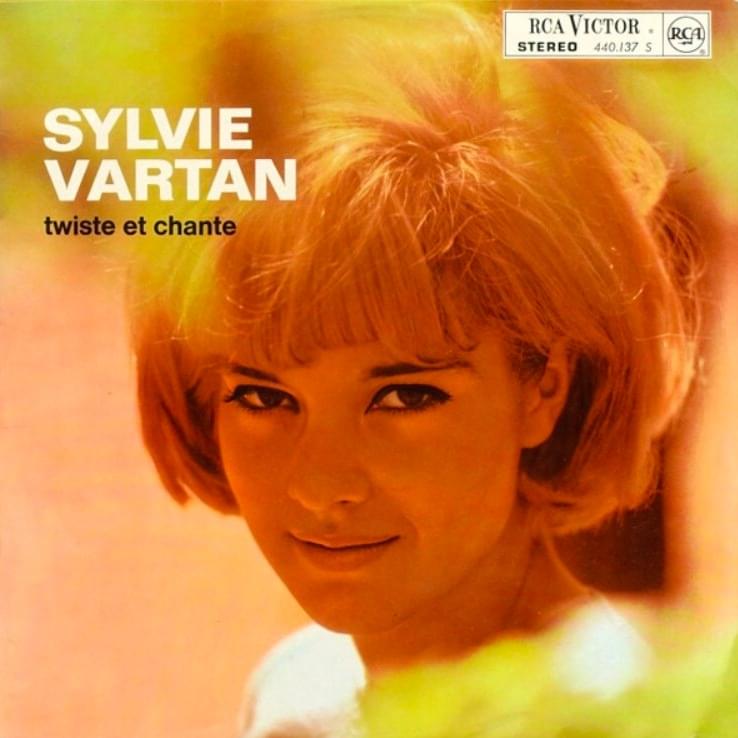
 View Artist