Song Meaning
Sylvie Vartan's "Je ne suis pas d'ici" isn't just a song; it's a declaration of elegant detachment. In a world obsessed with belonging and identity, Vartan stakes her claim in the realm of placelessness. The lyrics sketch a portrait of a soul deliberately choosing to float above the fray, cocooned in a self-constructed bubble of emotional self-preservation. This isn't mere escapism; it's a conscious rejection of the anxieties and hypocrisies inherent in modern life. "Fini les scrupules," she sings, suggesting a liberation from societal expectations and a prioritization of personal well-being. The phrase, repeated like a mantra, "Je ne suis pas d'ici" (I'm not from here), becomes a shield against the world's demands.
The song's genius lies in its ambiguity. Is Vartan's persona a weary traveler, a disillusioned observer, or a self-aware exile? The lyrics offer no definitive answer, instead leaning into the idea that 'home' is a fluid, emotional state rather than a fixed geographical location. "Cherchez pas mon pays / Il n'existe pas vraiment / Il est n'importe où / C'est de l'amour que ça dépend." This sentiment echoes a deeper yearning for connection, but on terms that are self-defined and free from the constraints of nationality or cultural identity. In a world increasingly fractured by division, Vartan proposes a radical alternative: a citizenship of the heart.
However, the song is not without its edges. There's a hint of cynicism in the lines about not knowing anything and not being concerned, suggesting a possible weariness with the world's problems. Yet, this cynicism is tempered by an underlying belief in love, freedom, and friendship. Ultimately, "Je ne suis pas d'ici" is a sophisticated meditation on belonging, identity, and the search for meaning in a world that often feels chaotic and disorienting. It's a song for anyone who has ever felt like an outsider, a misfit, or simply someone who doesn't quite fit in. Sylvie Vartan's song meaning resonates because it offers a seductive vision of freedom, even if that freedom comes at the cost of being perpetually unrooted.
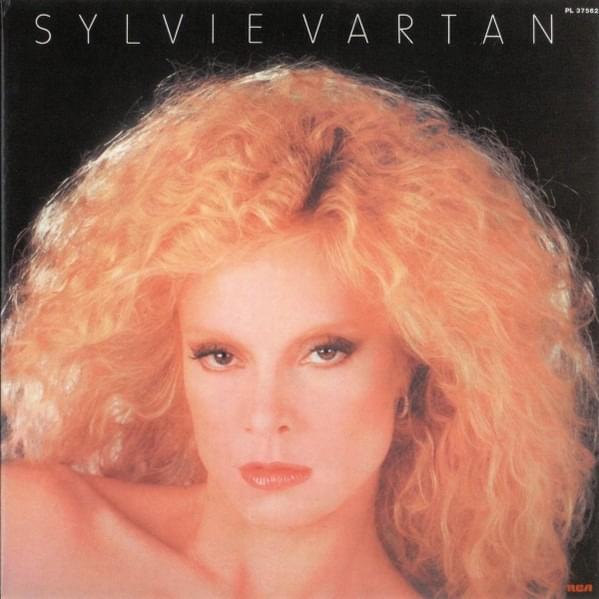
 View Artist