Song Meaning
Sylvie Vartan's "Il sait revenir" isn't a straightforward love song; it's a masterclass in guarded vulnerability. The lyrics paint a portrait of someone caught in a cyclical relationship, battling between the intoxicating pull of a lover and the self-protective instinct born from past hurts. The opening lines, a plea to her own body to betray no emotion ("Pleurez mes yeux et fermez vous mes mains/Cognez mon cœur mais en le cachant bien, ne montrez rien"), immediately establish a sense of internal conflict. This isn't joyous anticipation; it's a carefully constructed performance of indifference. The repeated warning, "Il faut encore lui cacher ton amour/A montrer son amour, on perd toujours," speaks volumes about the power dynamics at play. Love, in this context, isn't a freely given gift, but a strategic disadvantage.
The phrase "Il sait trop bien revenir" is the linchpin to understanding the song's meaning. It suggests a pattern of temporary departures and calculated returns, a lover who understands how to manipulate emotions and exploit weaknesses. There's a weariness woven into the lyrics, a sense of resignation to this ongoing drama. The singer is not naive; she recognizes the game, the artifice, even the potential for further heartbreak. Yet, the struggle to maintain composure, to hide her true feelings, reveals the depth of her attachment. The urgency in the commands to her body ("Ne bouge pas, mon corps, quand il est là/Et ne dis pas, ma bouche, c'est long un mois loin de tes bras") underscores the immense effort required to suppress her desire.
Ultimately, "Il sait revenir" explores the complex psychology of toxic relationships. It's a song about the masks we wear to protect ourselves, the internal battles between desire and self-preservation, and the painful awareness of being trapped in a cycle of emotional manipulation. The repetition of "A montrer sa folie, on perd sa vie" serves as a stark reminder of the perceived stakes. To reveal the full extent of one's vulnerability is to surrender control, to risk complete devastation. Sylvie Vartan’s rendition transforms the song into a poignant commentary on the sacrifices we make, and the lies we tell ourselves, in the name of love.
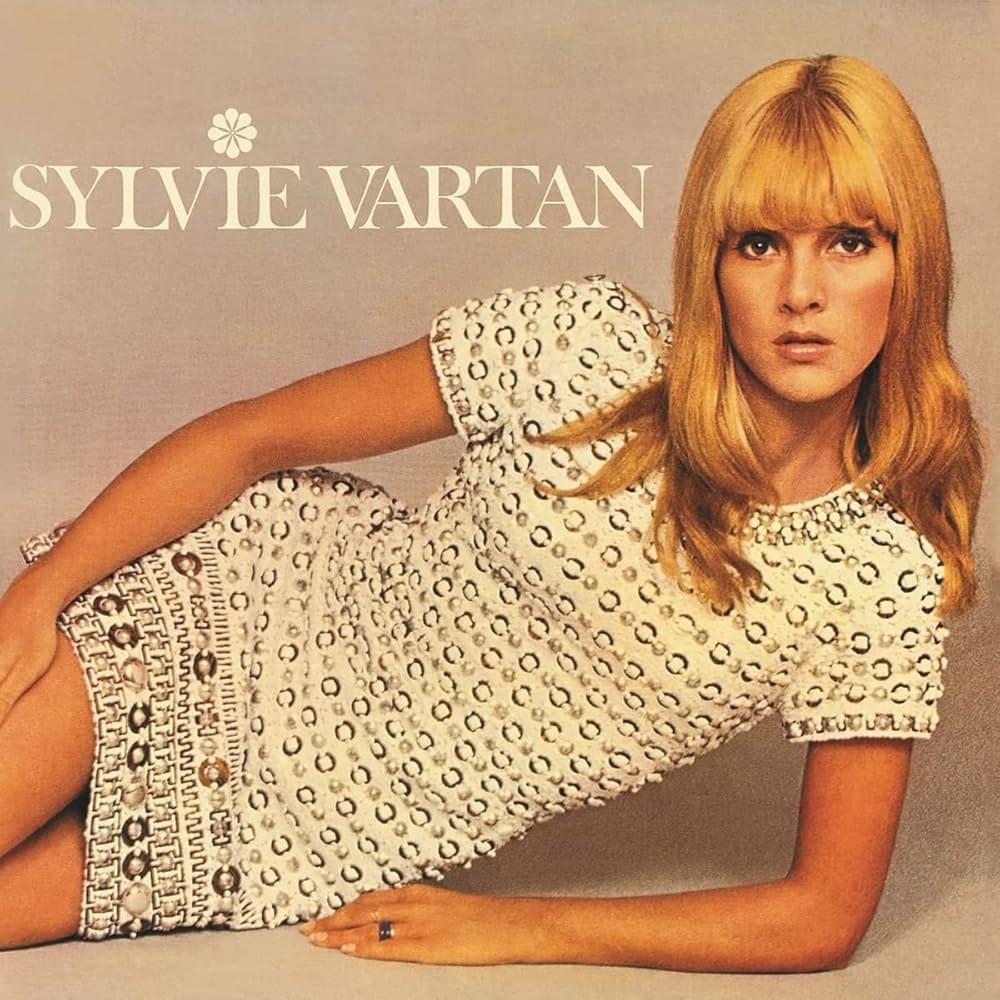
 View Artist