Song Meaning
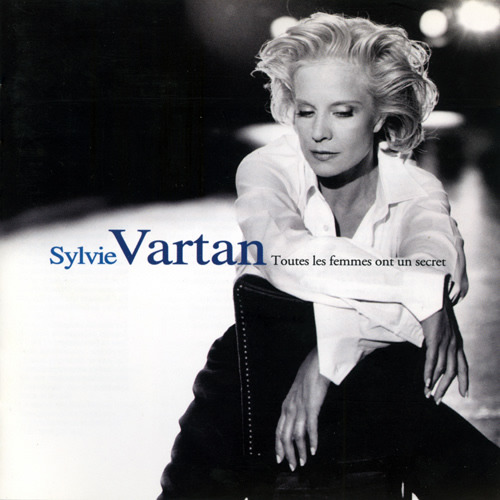
Sylvie Vartan’s "Il pense à son corps" isn't a simple ode to vanity; it’s a chilling portrait of existential detachment. The song meaning circles around a central figure consumed by his physicality, using it as a shield against emotional engagement. He's skiing down "the snowy slopes of comfort," a poignant metaphor for retreating into the familiar, the superficial, rather than confronting deeper feelings. The constant refrain, "Il pense à son corps" ("He thinks of his body"), becomes less an observation and more an indictment. It highlights his inability to connect meaningfully with the world or others. Even love, Vartan notes, is inconsequential to him in this state. The lyrics analysis points to a man trapped.
The repeated lines "Même si l'amour est important / Je sais bien que ce soir tout lui est indifférent" ("Even if love is important / I know that tonight everything is indifferent to him") underscore his emotional paralysis. He seems to be mourning the loss of youthful invincibility, clinging to his body as a "cherished jewel," a treasure that time and mortality threaten. The sense of regret is palpable, feeling betrayed "Par le temps perdu à le protéger de la mort" ("By the time lost protecting him from death"). This line reveals a desperate, and ultimately futile, attempt to control the uncontrollable.
The bridge, a haunting question of expectation ("Oh qu'attends-tu / Dans une jeunesse éternelle / Oh t'attends-tu / A desserrer l'étreinte cruelle" - "Oh what do you expect / In an eternal youth / Oh do you expect / To loosen the cruel grip"), speaks to the impossibility of maintaining perpetual youth and the painful consequences of clinging to such an illusion. He retreats further into his physical self, joining "les chevaux légers du remords" ("the light horses of remorse"), seeking solace in a past, idealized version of himself ("sa haute vallée du Mont d'or" - "his high valley of Mont d'Or"). In the end, "Il pense à son corps" is a bleak commentary on the human condition, where the fear of aging and mortality can lead to profound isolation and emotional numbness.
 View Artist