Song Meaning
Sylvie Vartan's "Co Lee" (translated to English) unfolds as a study in serendipity and the irresistible pull of human connection. The lyrics depict a chance encounter, a fleeting moment of curiosity that blossoms into full immersion. It's the story of someone drawn in by music and light, a beacon in the mundane, suggesting a deep-seated desire for something more than the everyday. The simple act of 'passing by' transforms into a deliberate choice, guided by an almost primal need to connect. The repetition of 'Je suis venue en passant' (I came by in passing) underscores the accidental nature of the encounter, yet hints at a preordained destiny, as if the protagonist was always meant to find this particular space and these particular people.
The recurring questions – 'Quand est-ce qu'on chante, À quoi on joue, Quand est-ce qu'on danse' (When do we sing, What do we play, When do we dance) – serve as both an invitation and an expression of longing. They speak to a desire for shared experience, for the communal joy found in music and movement. It's a yearning to participate, to shed inhibitions and be swept away by the collective energy. The casual mention of living nearby ('Moi j'habite à côté, ça c'est une chance' – I live nearby, that's lucky) further emphasizes the unexpectedness of the encounter, highlighting the idea that joy and connection can be found in the most ordinary of places.
Ultimately, the song meaning resides in its celebration of spontaneity and the transformative power of human interaction. It's a reminder that sometimes the most meaningful experiences are those we stumble upon, the moments when curiosity overrides caution and we allow ourselves to be drawn into something new. The simplicity of the lyrics belies a deeper exploration of human nature, hinting at the universal need for belonging and the joy of shared experience.
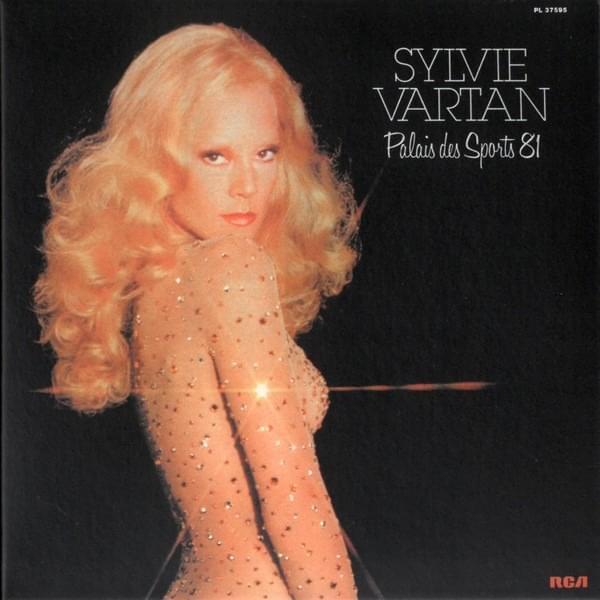
 View Artist