Song Meaning
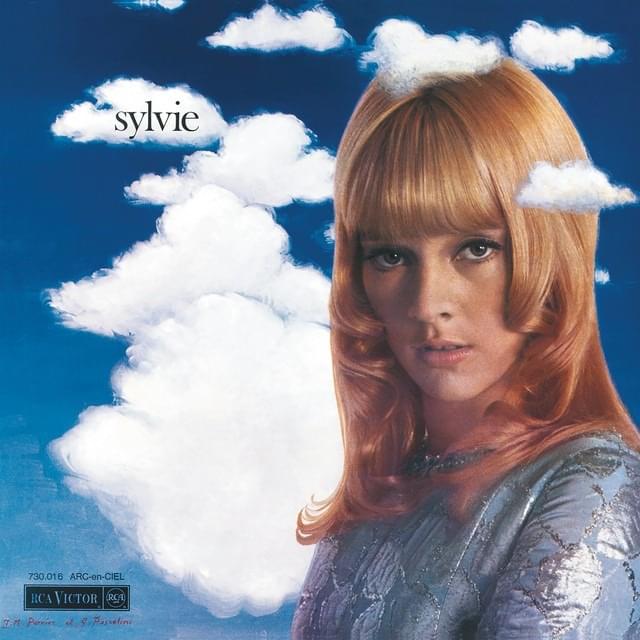
Sylvie Vartan's "Awkward Situations" isn't a tale of high drama; it's a study in quiet, almost mundane, liberation. The song paints a portrait of a woman escaping a life that has become unbearable, but the escape itself is marked not by explosive rebellion, but by a series of understated, almost awkward, moments. The opening lines depict a furtive departure, slipping away without a sound, suitcase in hand, leaving "the garden door" and, metaphorically, the garden of her former life behind. This isn't a triumphant exit; it's a hushed retreat. The "old, rusty car" waiting in the fog underscores the feeling of a journey begun not with fanfare, but with a quiet resignation. This departure isn't fueled by anger or passion, but by a weary acceptance of the need for change. The lyrics suggest a longing for a fresh start, a rejection of the past. There is a sense of quiet determination in her actions, a resolve to leave behind a life that no longer serves her.
The scene shifts to the train platform, a liminal space representing transition. She sits on a bench, her gaze lost, perhaps contemplating the unknown future. Here, the song introduces a small, almost absurd detail: she buys a hot chocolate from a vending machine. This seemingly insignificant act – seeking warmth and comfort in a banal, automated way – highlights the solitude and the slightly pathetic nature of her newfound freedom. It's a moment of quiet desperation masked as everyday routine. The "awkward situations" alluded to in the title aren't grand melodramas, but the small, uncomfortable realities of starting over, the moments of loneliness and uncertainty that accompany even the most necessary of departures.
The final verse offers a glimmer of hope. "She is happy, she will start her life again," the lyrics declare. But even this assertion is tempered by the preceding verses. The happiness isn't ecstatic; it's a quiet, determined kind of happiness born from necessity. She's leaving behind her city and her past, having had enough. The song's power lies in its refusal to romanticize escape. It acknowledges the awkwardness, the loneliness, and the quiet desperation that can accompany even the most liberating of decisions. It is a song about reclaiming one's life, one awkward moment at a time.
 View Artist