Song Meaning
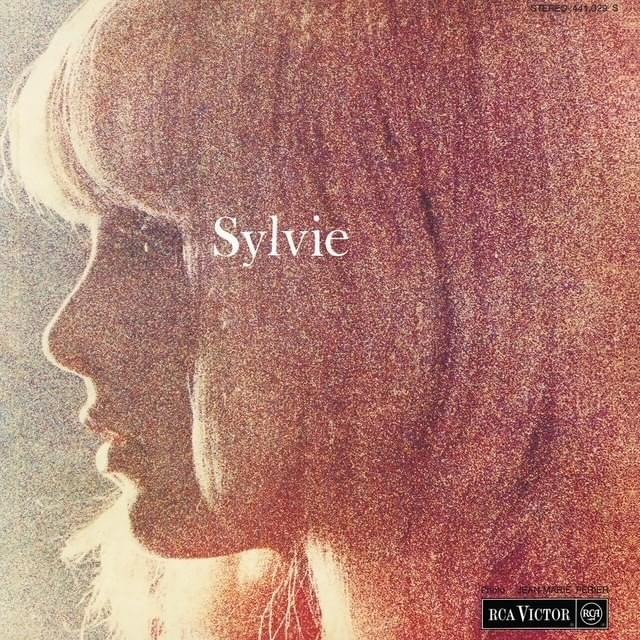
Sylvie Vartan's rendition of "Tin Roof Blues," performed live in 1955, uses the simple image of 'two hands' as a vessel to explore the complexities of human connection, love, and loss. The lyrics, though seemingly straightforward, delve into the multifaceted nature of relationships, highlighting both their potential for profound joy and their vulnerability to heartbreak. The song doesn't present a grand narrative but rather offers a series of vignettes, each illustrating a different aspect of the human experience through the metaphor of hands. The fact this is live, and early in Vartan's career, makes the almost world-weary tone of the lyrics all the more striking.
The opening verses establish the duality inherent in the image of 'two hands.' They are, in their essence, ordinary and unremarkable ('Ça ressemble à n'importe quoi'), yet they possess the capacity for extraordinary acts – to hold, to create, to connect. The lyrics suggest that these hands can be adorned with riches ('chargées d'or de diamants') or weathered by hardship ('brûlées par la mer et le vent'), but their fundamental purpose remains the same: to reach out and find another pair. This reaching out, however, is fraught with uncertainty. The song acknowledges the potential for love and joy ('trembler de joie'), but also hints at the darker possibilities of manipulation and betrayal ('vous pousser jusqu'en enfer'). The imagery evokes both tenderness and the potential for profound emotional damage.
Ultimately, "Tin Roof Blues" circles back to the theme of loss and longing. The lyrics capture the pain of separation ('Ça souffre de ne rester qu'à deux') and the futility of reaching out when it's too late ('Et ça ne trouve que du vent'). The final verses emphasize the vulnerability of these hands, now reduced to begging ('implorant') and praying. The shift from active engagement to passive supplication underscores the sense of powerlessness that often accompanies heartbreak. Vartan's interpretation, especially within the context of a live performance, imbues the song with a raw emotionality, transforming a seemingly simple metaphor into a poignant meditation on the fragility of human relationships.
 View Artist