Song Meaning
Sylvie Vartan's "PAL Code" isn't just a song; it's an exposed nerve. The insistent repetition of "Doux cri de ma vie" ("Sweet cry of my life") immediately plunges the listener into a world of intense, almost unbearable emotion. It’s a primal scream rendered in velvet, a testament to the contradictory nature of love itself. The 'cry' isn’t a singular event but a constant state, a soundtrack to both life and sleepless nights. This duality—the sweet and the cry—suggests a relationship defined by extremes.
The lyrics paint a portrait of someone utterly consumed by passion. Vartan explores the spectrum of emotions, from the "cri de cœur" (cry of the heart) that questions whether it's even heard, to the "cri d'amour" (cry of love) and "cri d'émoi" (cry of emotion) that acknowledge the pain and pleasure inextricably linked to the object of her affection. The push and pull of the relationship is palpable: suffering versus joy, despair at departure versus the comfort of closeness. This oscillation mirrors the addictive quality of certain relationships, where the highs are intoxicating and the lows are devastating.
Ultimately, "PAL Code" is a raw exploration of dependency and hope within a love affair. The "cri d'espoir" (cry of hope) when she sees her beloved and the subsequent "désespoir" (despair) upon their departure highlights the precarious balance she treads. The "cri de foi" (cry of faith) underscores the all-or-nothing stakes; if her faith in love is misplaced, joy itself is forfeit. This extreme vulnerability, the willingness to love until "the end of my days," is both the song's beauty and its terror. It's a romantic ideal, perhaps, but one delivered with a psychological honesty that resonates deeply.
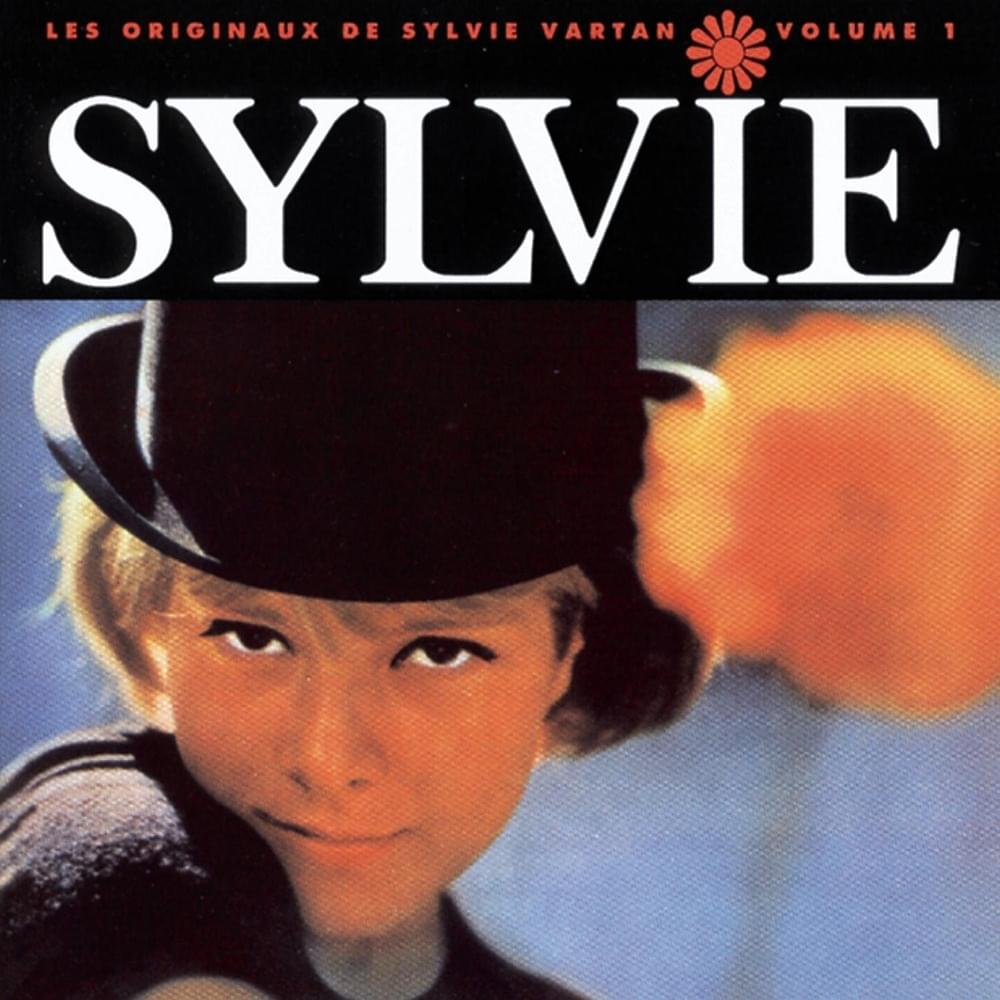
 View Artist