Song Meaning
Sylvie Vartan's "Ça sert à quoi" isn't just a song; it's a raw, existential scream echoing from the depths of heartbreak and disillusionment. The title itself, translating to "What's the point?" sets the stage for a brutally honest exploration of despair. Vartan isn't interested in romanticizing sadness; she's dissecting it, laying bare the hollowness that settles in when hope flickers and dies. The lyrics question the purpose of movement without direction, of escaping without a destination, highlighting the futility of outward action when inner turmoil remains unresolved. It's a sentiment that resonates deeply with anyone who's ever felt adrift, lost in a sea of uncertainty.
The core of the song lies in Vartan's visceral depiction of emotional exhaustion. She's "had enough" of clinging to fleeting hope and empty promises. This isn't a passive lament; it's a declaration of weariness, a refusal to continue the cycle of pain. The metaphor of a ship adrift perfectly captures her sense of being lost and without control, buffeted by forces beyond her command. The plea for pity underscores the vulnerability at the heart of the song. It’s a moment of stark honesty, acknowledging the limits of resilience and the yearning for solace.
"Ça sert à quoi" ultimately circles back to the fundamental question of life's meaning in the face of profound loss. It's not just about a broken relationship; it's about the erosion of faith in love, in connection, and perhaps even in life itself. The repetition of "What's the point?" isn't a rhetorical flourish; it's a desperate, unanswered prayer. The final lines, lamenting a heart that is "gone there or elsewhere" drive home the feeling of irreversible damage. Vartan doesn't offer easy answers or comforting platitudes. Instead, she leaves us with the unsettling truth of a heart grappling with its own reason for being.
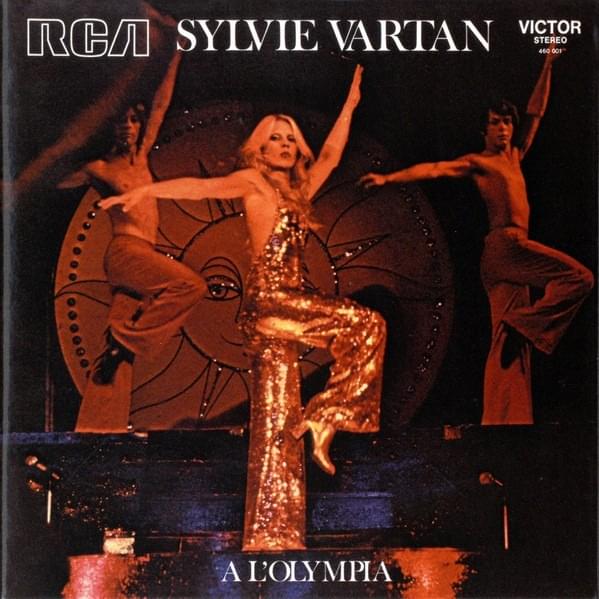
 View Artist