Song Meaning
Sylvie Vartan's "Blam blam blam" isn't just a song; it's a sonic snapshot of youthful infatuation, distilled to its most urgent and primal elements. The title itself, a playful, almost childlike repetition of "Blam blam blam," hints at the simple, direct emotionality at play. It's the sound of a heart beating fast, the onomatopoeia of a sudden, overwhelming crush. The lyrics paint a picture of a lover pleading for reassurance and physical affection. "Kiss me and I'll be as you want me," she sings, a declaration of devotion that borders on self-abandonment. There's a vulnerability here, a willingness to mold oneself to the desires of the beloved, a common theme in young love where identity is still being formed.
The recurring lines "Ooh oh ooh oh lo sai" and "Giurami, giurami che non te ne vai" emphasize the insecurity that often accompanies intense passion. She needs to *know*, she needs a *promise* that this connection is real and lasting. This need for validation speaks to a deeper psychological desire for security and permanence, a fear of abandonment that many carry within them. The repetition amplifies the desperation, turning a simple request into a heartfelt plea.
But amidst the vulnerability, there's also a sense of escapism and self-sufficiency. The lines "Ci basta il suono di una chitarra / E siamo noi soli su tutta la terra" ("The sound of a guitar is enough for us / And we are alone on the whole earth") suggest that love, even in its most fragile form, can create its own world, a sanctuary where external pressures and anxieties fade away. The "blam blam blam" becomes the soundtrack to this private universe, a reminder that in the face of uncertainty, the simple act of connection can be enough.
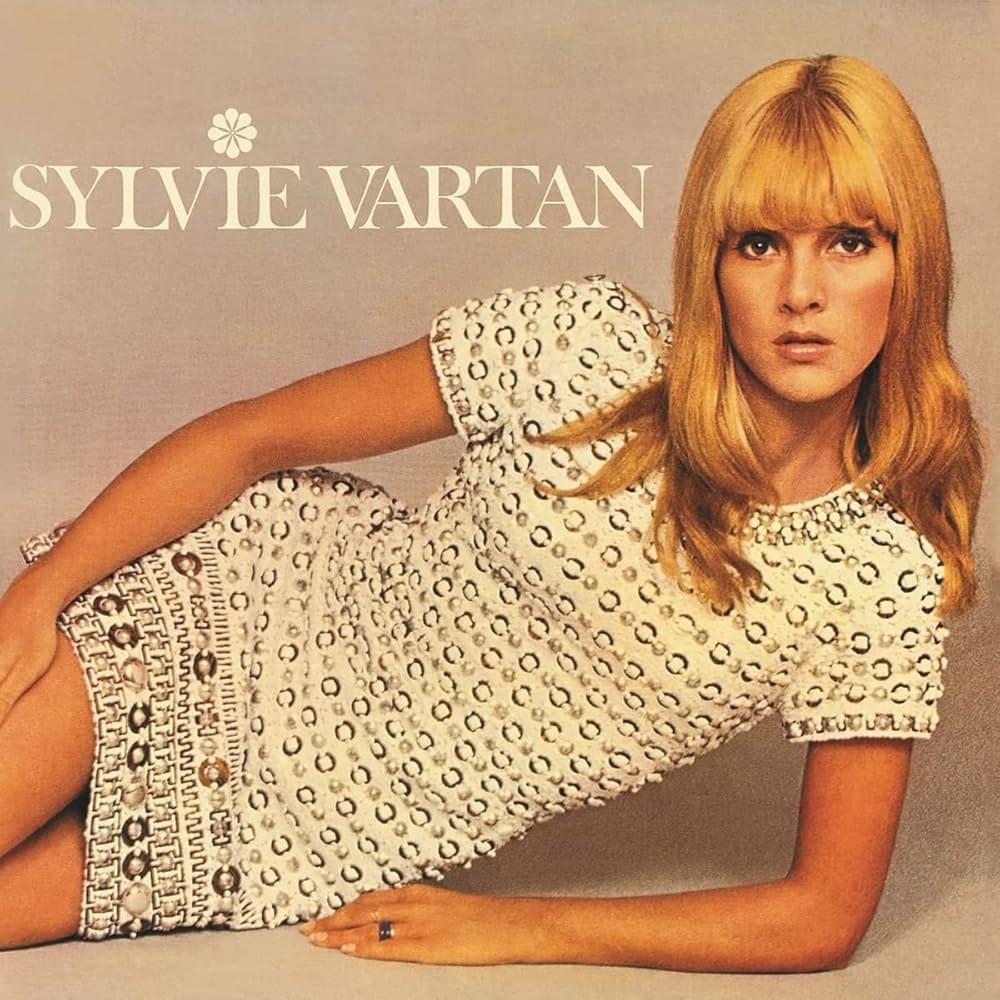
 View Artist