Song Meaning
Sylvie Vartan's "Ballade pour une fugue" isn't just a song; it's a masterclass in the push and pull of toxic relationships, dressed in the elegant garb of French pop. The title itself, translating to "Ballad for a Fugue," hints at the central theme: a temporary escape, a flight from something unbearable, set to music. But a fugue, in its musical form, always returns to its starting point, a concept that bleeds into the song's narrative. The opening lines are delivered with finality, a door slammed shut, a definitive "C'est fini." Yet, the repetition of this phrase, coupled with the narrator's almost theatrical curse ("Oh le diable t'emporte"), suggests a performance, a desperate attempt to convince herself more than her absent lover. It's the kind of dramatic exit fueled by raw emotion, the kind that often crumbles under the weight of reality.
The plea to the "musicien" – the absent lover – to compose a refrain, a "ballade pour une fugue," reveals the complex dynamic at play. It's a challenge, a dare, but also a veiled invitation. The narrator acknowledges the cyclical nature of their relationship, the inevitable return after the dramatic departure. The desire for him to immortalize their tumultuous love in song is a way of controlling the narrative, of ensuring her pain is acknowledged and, perhaps, understood. The lyrics paint a vivid picture of a woman caught in a loop of leaving and returning. The imagery of deserting the house, hating it suddenly, and fleeing into the deserted streets emphasizes the initial desire for freedom and escape.
However, the final verse shatters the illusion of a clean break. The taxi door slams shut, mirroring the initial door slam, but this time it's at Orly airport, a symbol of potential escape. Yet, by morning, she's back at his door. The devil doesn't carry her away; instead, she's pulled back into the familiar pattern of "nos joies, nos souffrances." It's a raw, honest portrayal of the difficulty in breaking free from destructive love. The song's meaning lies not in the act of leaving, but in the agonizing knowledge that the escape is only temporary, a "rien qu'une fugue." The ballad becomes a soundtrack to this painful awareness, a recognition of the addictive nature of love, even when it hurts. Vartan's delivery, both vulnerable and defiant, perfectly encapsulates this internal conflict, making "Ballade pour une fugue" a timeless exploration of the human heart's contradictions.
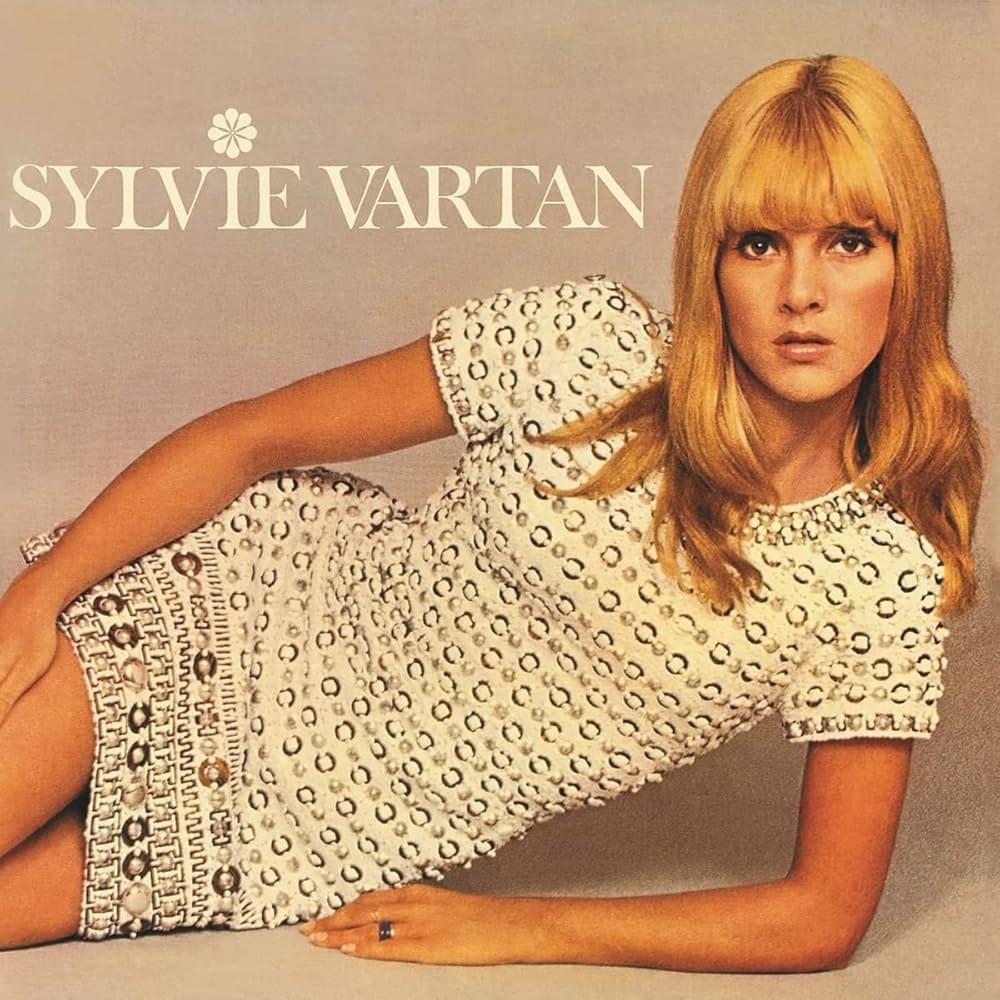
 View Artist