Song Meaning
Sylvie Vartan's "Back to L-A" is a breezy, yet deceptively layered, exploration of identity and belonging, refracted through the dual lenses of Paris and Los Angeles. More than a simple travelogue, the song uses the geographical back-and-forth as a metaphor for the push and pull of cultural influences and personal desires. The lyrics paint a picture of a mind flitting between iconic locations – from the Seine to the palm trees of L.A., from St. Germain Boulevard to the Avenue of the Stars. This constant movement mirrors the internal negotiation of someone straddling two worlds, never fully settled in either. The refrain, "Back to L-A, je m'en vais" (I'm going away), suggests a cyclical pattern of departure and return, hinting at a deeper restlessness. Is L.A. a true home, or simply a place to escape to? The repetition emphasizes the unresolved nature of this question.
Vartan subtly contrasts European intellectualism with American celebrity culture. References to Styron, Stendhal, and "Le Rouge et le Noir" evoke a sense of literary depth, while mentions of the "Hotel California" and the "Avenue des Stars" point to the allure and potential emptiness of Hollywood. The line "Les freres Marx ont l'humour et moi j'ai deux amours" (The Marx Brothers have humor and I have two loves) neatly encapsulates this duality: intellectual appreciation alongside a more visceral, emotional connection. The "two loves" could be interpreted as Paris and L.A., or perhaps two different facets of the singer's own personality. This tension is further amplified by the melancholic undertones that peek through the upbeat tempo.
The latter verses introduce a more ethereal, almost philosophical dimension. "Ou sont passes les anges? Le sexe des archanges?" (Where have the angels gone? The sex of the archangels?) suggests a search for something beyond the superficial. The line "A L-A c'est connu les ailes se melangent" (In L.A. it's known that wings are mixed) implies a blurring of boundaries, a place where identities and aspirations collide. Even the "cow-girls" and "les larmes de Marilyn" (the tears of Marilyn) are imbued with a sense of nostalgia and longing, hinting at the inherent sadness that can exist even within the glittering facade of fame and fortune. Ultimately, "Back to L-A" isn't just a song about location; it's a nuanced reflection on the complexities of identity, desire, and the search for meaning in a world of shifting landscapes.
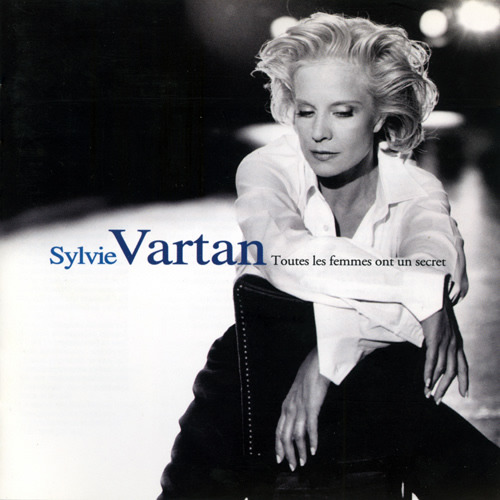
 View Artist