Song Meaning
Sylvie Vartan's "Baby Capone" isn't just a playful retro fantasy; it's a pointed exploration of power dynamics within a relationship, dressed up in the glitzy, dangerous garb of 1920s Chicago. The lyrics hinge on a central "what if": *Si on était à Chicago...* If we were in Chicago, during Prohibition, things would be different. The singer wouldn't hesitate to assert dominance, to wield the kind of ruthless control associated with Al Capone himself. It's a darkly comic threat, delivered with a wink. The repeated refrain, "Baby, baby Capone c'est moi," hammers home the idea that *she* is the one in charge, or at least, the one who *could* be in charge, given the right (or wrong) circumstances. The song's meaning lies in this tension between the imagined power and the reality of the relationship.
The lyrical content hints at a lover who isn't quite living up to expectations. He's not showering her with gifts, not being as kind as she thinks he should be. The Chicago scenario becomes a way for her to express her dissatisfaction and to playfully threaten him with the consequences of his actions. "Je te ferais des p'tits trous dans la peau / Je te ferais le cœur en pointillés" – she'd punch holes in his skin and make his heart into a dotted line if he tried to leave. It's obviously hyperbole, but it underscores the depth of her desire for control and the potential for a darker side to emerge if pushed too far. The seemingly innocent, almost cartoonish violence is a mask for a deeper frustration.
"Baby Capone" ultimately works as both a catchy, upbeat tune and a subtle commentary on gender roles and expectations. It's a woman claiming the traditionally masculine role of power, albeit within the safe confines of a fantasy. The lyrics cleverly use the gangster metaphor to explore themes of control, jealousy, and the ever-present push and pull within intimate relationships. The song's enduring appeal likely stems from its ability to tap into the universal desire for control, even as it acknowledges the absurdity and potential danger of wielding too much of it. It's a reminder that even in love, the threat of a "Baby Capone" might be lurking just beneath the surface.
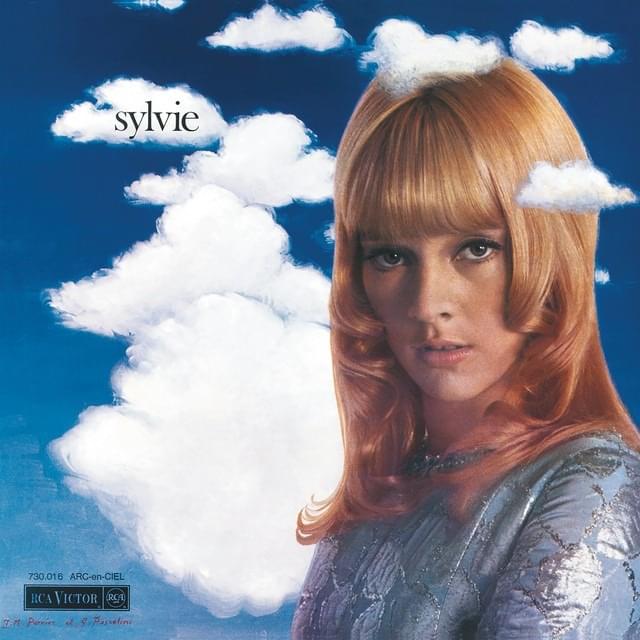
 View Artist