Song Meaning
The lyrics paint a stark picture of present insecurity projected onto a future unknown. The narrator directly questions their partner's affection "tomorrow, tomorrow," immediately after stating it, setting a tone of anxious anticipation. This isn't a celebration of love, but a desperate plea born from a fragile sense of self. The immediate emotional texture is one of vulnerability, a quiet panic that surfaces as the present moment begins to slip away.
The central tension lies in the contrast between the narrator's current reliance on their partner and the fear that this support will vanish with the passing of time. As "the twilight fades" and "the moon hits my eyes," their "sureness degrades" and "confidence dies." This isn't a gradual decline; it's an immediate collapse of self-worth tied to the perceived permanence of love. The repetition of "Will you still love me tomorrow" hammers home this core anxiety, a constant refrain of doubt.
The imagery of the "lonely eagle" is particularly striking. It sings "where hope meets despair," a place the narrator clearly inhabits. The eagle is "never aware / Of the emptiness it brings," suggesting a profound disconnect between outward appearance or action and inner reality. This could imply the narrator sees their own pleas or their partner's potential departure as a source of this emptiness, yet they, like the eagle, remain oblivious to the true cause or consequence.
This writing is effective because it grounds abstract fears in concrete sensory details and a direct, almost childlike, questioning. The simple, repeated questions "Will you still love me tomorrow?" and "Will you be there?" bypass complex metaphor and hit directly at a primal fear of abandonment. The lyrics don't offer resolution, but rather amplify the feeling of precariousness, making the listener acutely aware of how quickly confidence can erode when love feels conditional.
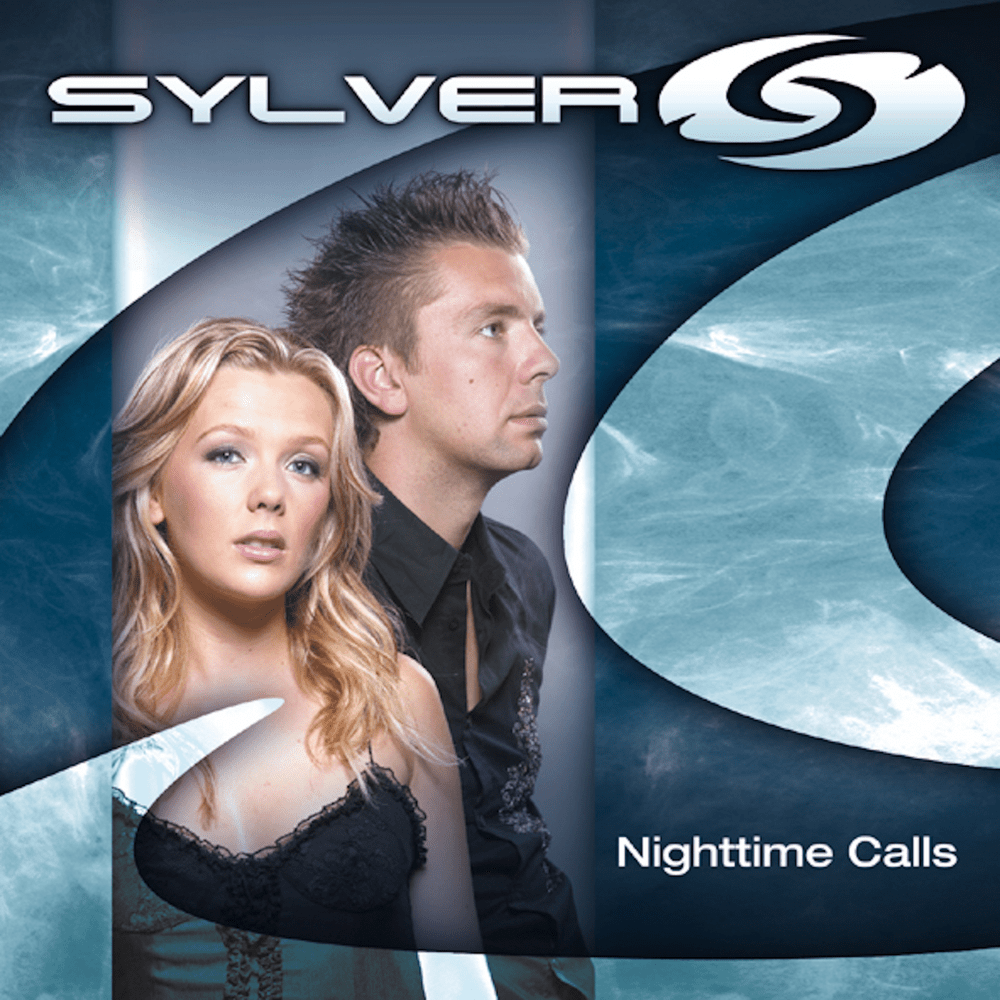
 View Artist