Song Meaning
The lyrics paint a picture of profound self-doubt and a weary resignation to perceived failure. The narrator struggles with external validation, noting that even "golden medals on my chest" don't feel earned, suggesting a deep-seated impostor syndrome. This internal conflict is amplified by a passive acceptance of external influence, repeatedly stating "Never protest to your words," which hints at a lack of agency or a desire to avoid confrontation.
The central tension lies between the narrator's internal feelings of inadequacy and the outward performance of success or compliance. The repeated phrase "Wishing you the best" coupled with the inability to "protest" creates a sense of hollow politeness, a facade masking inner turmoil. The narrator feels their own words lack substance, "There's no meaning in my words," and their attempts to connect, like "whistling to the birds," go unnoticed, reinforcing a feeling of isolation and futility.
The craft here is in the stark, almost blunt simplicity that underscores the emotional weight. The repetition of "Wishing you the best / Never protest to your words" acts like a mantra of surrender, highlighting the narrator's inability to assert themselves. The contrast between the desire for rest, as mentioned in the bridge, and the self-identification as a "tired young man" in Verse 3 emphasizes a weariness that permeates their entire being, leaving "no space" for love.
Ultimately, these lyrics resonate because they capture a specific kind of quiet desperation. The narrator isn't railing against their fate but quietly acknowledging it, seeking a simple "rest" from the burden of trying and failing. The final lines, "Black stones in the ground," offer a somber, grounding image that suggests a finality or a heavy, unchangeable reality, leaving the listener with a sense of melancholic understanding.
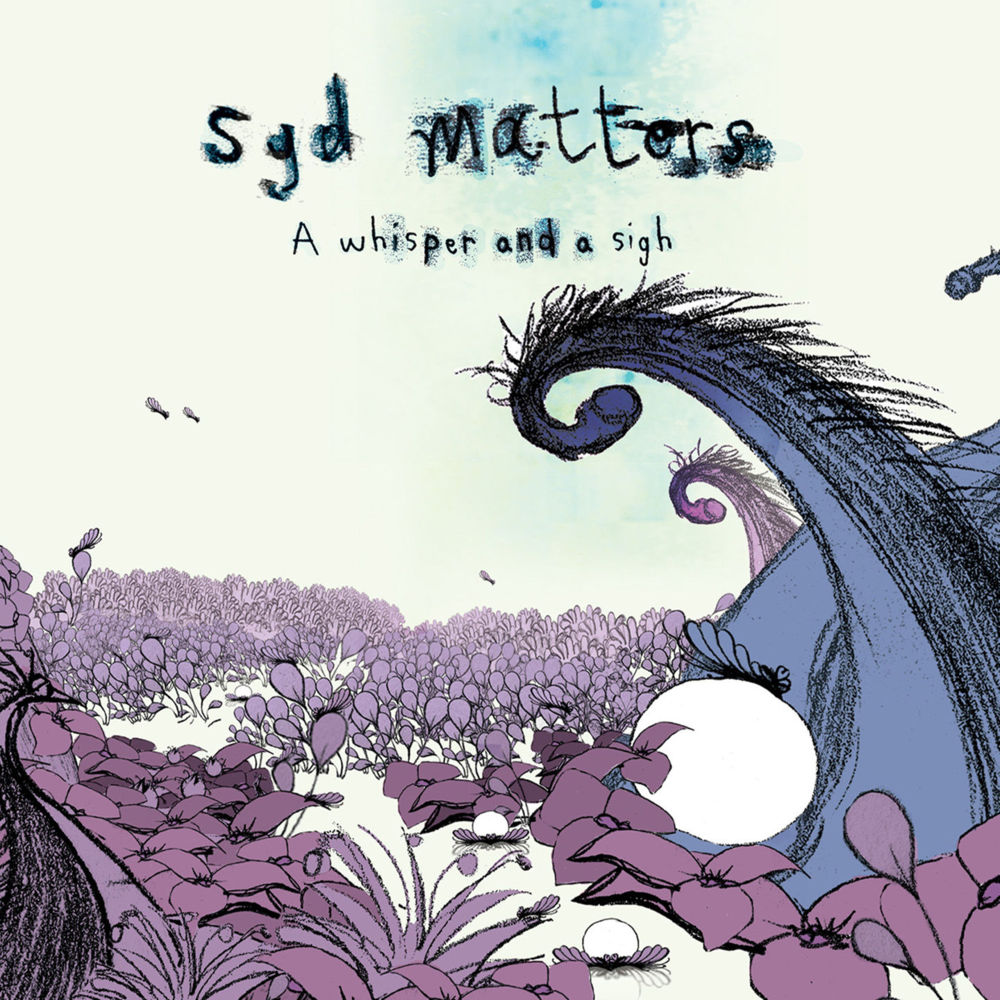
 View Artist