Song Meaning
The lyrics paint a picture of a hopeful departure, a shared dream of escape. The opening lines set a scene of transition, waking with the stars still visible, suggesting a moment between night and day, past and future. There's a sense of shedding burdens, as the narrator notes, "You leave the past behind," and a shared aspiration to transcend limitations, encapsulated in the dream "that we could fly."
The central tension lies in the pursuit of a new beginning, a place to belong. The narrator actively embarks on this quest, "set off running, To reach the other side," driven by the desire to "find a place to call my own." This journey is marked by vast, almost mythical landscapes – "distant oceans," "fallen mountains," and the "great wide open of the desert sky" – emphasizing the scale of their ambition and the unknown territory they are traversing. Despite the potential for being lost, there's a comforting reassurance: "I was lost but not alone."
The repeated phrase "Meet me here at the edge of the earth" acts as a powerful anchor amidst the expansive imagery. It’s a call to a specific, albeit symbolic, meeting point, a place of ultimate convergence or a final frontier. This contrasts with the boundless, almost overwhelming descriptions of the journey, grounding the abstract desire for a new start in a tangible, if metaphorical, destination. The urgency in "So come on, Come on" amplifies the plea for connection and shared arrival.
Ultimately, the effectiveness of these lyrics stems from their blend of grand, almost epic imagery with a deeply personal plea for connection. The writing creates a feeling of embarking on a significant, potentially life-altering journey, where the vastness of the external world mirrors the internal desire for change and belonging. The repeated invitation to meet at the "edge of the earth" transforms a daunting quest into a shared destination, making the pursuit feel both monumental and intimately personal.
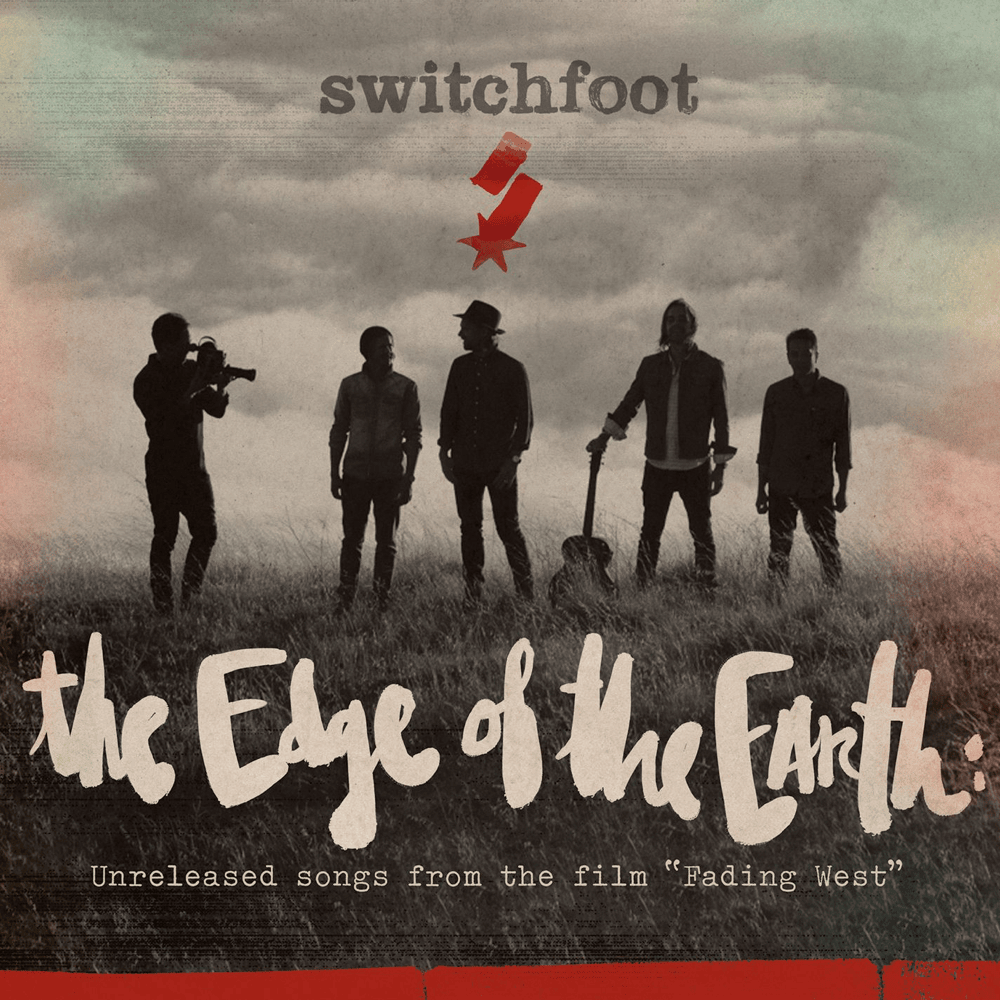
 View Artist