Song Meaning
The narrator feels a profound sadness, a sense of detachment that prevents them from sharing their inner turmoil. This feeling is so intense it’s described as falling, yet paradoxically, they resist hitting bottom, suggesting a desperate attempt to maintain some semblance of control or hope. The thought of 'her' lingers, a constant anchor even amidst this disorienting emotional descent.
The core tension arises from the desire for growth and permanence versus the reality of isolation. The question, "When I grow up, will I be forever, spaceman?" frames this conflict. The 'spaceman' is a solitary figure, a "floating hero" and a "floating headline," detached from earthly concerns and connections. This imagery highlights a yearning for a grand, perhaps heroic, existence that is ultimately defined by its distance from others.
The lyrics masterfully employ the contrast between the vastness of space and the intimate plea of "Mayday." This juxtaposition underscores the narrator's profound loneliness; they are lost in an immense void, broadcasting distress signals that may never be received. The image of a "tiny little dancer in space" further emphasizes this vulnerability, a small, almost whimsical figure adrift, hoping for a future where the "skies aren't grey" – a clear wish for emotional clarity and connection.
Ultimately, the effectiveness of these lyrics lies in their evocative portrayal of existential loneliness and the struggle against despair. The "wild, wild rivers" and "snowstorms" in the outro paint a picture of overwhelming, chaotic forces, both internal and external, that the narrator faces alone. The spaceman metaphor, while suggesting a detached heroism, powerfully communicates the isolating nature of profound sadness and the faint hope for eventual peace.
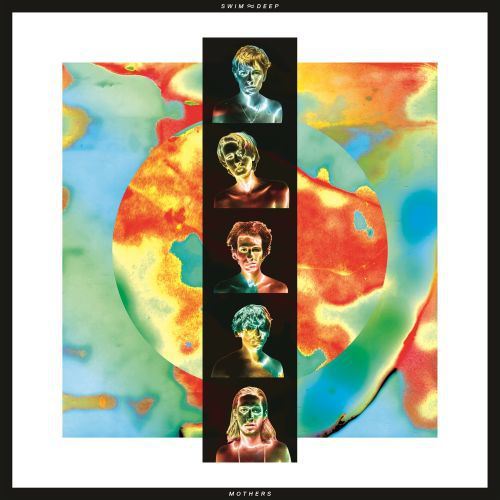
 View Artist