Song Meaning
The lyrics paint a picture of intense, unrequited desire set against a backdrop of cold and darkness, paradoxically illuminated by the "night is bright." The narrator feels a powerful, internal "burning" and "yearning" specifically for one person, a feeling they can't conceal. This internal fire contrasts sharply with the external chill, amplifying the emotional stakes of their longing. The core of the conflict emerges as the narrator admits, "I ain't asking much, Just a simple touch of you," but faces rejection, leading to a profound fear of what the object of their affection "can be."
The central tension revolves around the narrator's desperate need for connection versus the beloved's unavailability and perceived promiscuity. The narrator identifies as "a simple man" who struggles to bridge the gap of "feeling" to reach the other person. This inability to connect is compounded by the suspicion that even if a connection were possible, it "wouldn't be right," suggesting a moral or ethical barrier. The repeated phrase "you love has no meaning" underscores the narrator's frustration and pain, feeling their own emotions are invalidated.
A striking element is the stark, almost brutal honesty that surfaces later in the lyrics, particularly the refrain "If we don't fuck you, Then someone else will." This line shifts the tone from yearning to a more transactional, even resentful, perspective. It suggests a power dynamic where the narrator feels they must offer themselves or risk being replaced, highlighting a transactional view of intimacy that clashes with the earlier "yearning." The narrator's "tired of your lying" and observation that the beloved "you've been hangin' round all weekend" and "I'm not the only one" further solidify this sense of disillusionment and competition.
What makes these lyrics resonate is their raw portrayal of vulnerability colliding with harsh reality. The initial "burning" and "yearning" are deeply human emotions, but the lyrics don't shy away from the uglier aspects of desire and rejection. The contrast between the narrator's internal emotional landscape and the perceived actions of the beloved creates a palpable sense of frustration and resignation. The abrupt shift to a more direct, almost crude, expression of sexual frustration and competition makes the emotional arc feel authentic and unflinching.
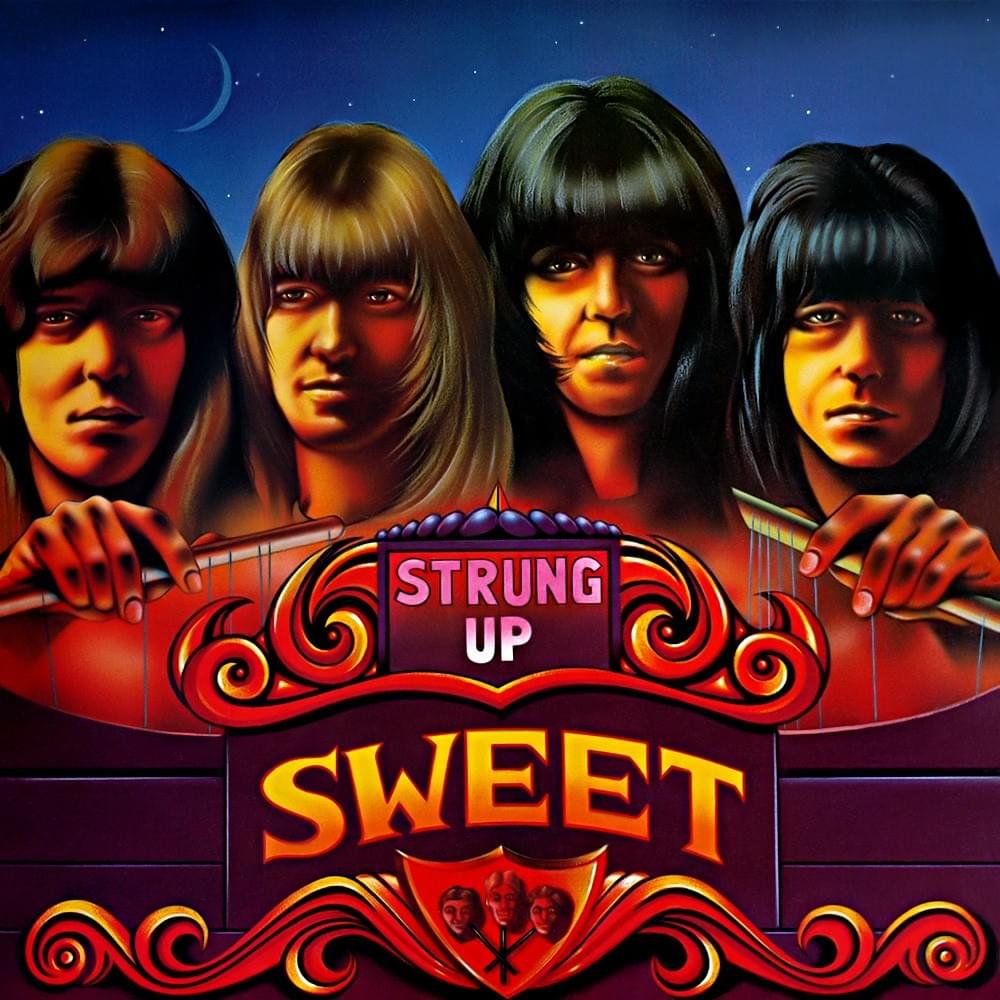
 View Artist