Song Meaning
This track paints a picture of someone utterly captivated, bordering on obsessed, with another person. The narrator's world seems to revolve around this object of affection, to the point where their own identity feels secondary. The opening lines, "Got your name in my duotang," immediately signal a deep, almost possessive fixation, like a school project meticulously organized around a crush. The repetition of "I wanna be that heart" underscores a desperate yearning to be central to this person's life, to embody their core emotions or desires. It’s a plea to be more than just an admirer, but an essential part of their being.
The central tension lies in the narrator's perceived inadequacy compared to the object of their affection's social circle. The contrast between "cool friends" and "pretend friends" highlights a feeling of being on the outside, relying on artifice to navigate social dynamics and win favor. This insecurity fuels the narrator's desire to be "that heart," suggesting a belief that possessing that central emotional role would somehow grant them acceptance or belonging. The line "loving you is such a shame" hints at the self-destructive nature of this fixation, acknowledging the futility or pain involved.
The most striking element is the narrator's willingness to offer a flawed, perhaps even desperate, sanctuary: "You can take your pretty head / Or leave it here with me instead." This offers a strange dichotomy – the option to leave the object of affection's prized possession (their head, symbolizing thought or beauty) with the narrator, implying a willingness to hold onto it, to cherish it, even if the person themselves departs. It’s a possessive, yet also protective, gesture born from intense longing. The repeated phrase "I'm at a loss" further emphasizes the narrator's disorientation and helplessness in the face of this overwhelming emotion.
Ultimately, the lyrics resonate because they capture the raw, often irrational, intensity of infatuation. The narrator’s vulnerability is laid bare through their desperate pleas and the stark contrast between their internal world and the perceived social standing of their crush. The craft, particularly the insistent repetition and the slightly unsettling imagery, effectively conveys a sense of being consumed by desire, making the listener feel the weight of this one-sided devotion.
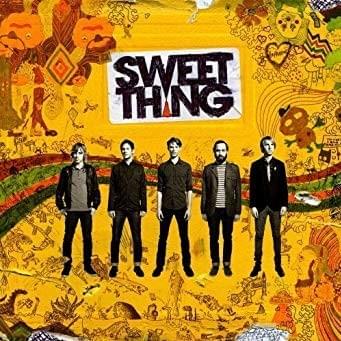
 View Artist