Song Meaning
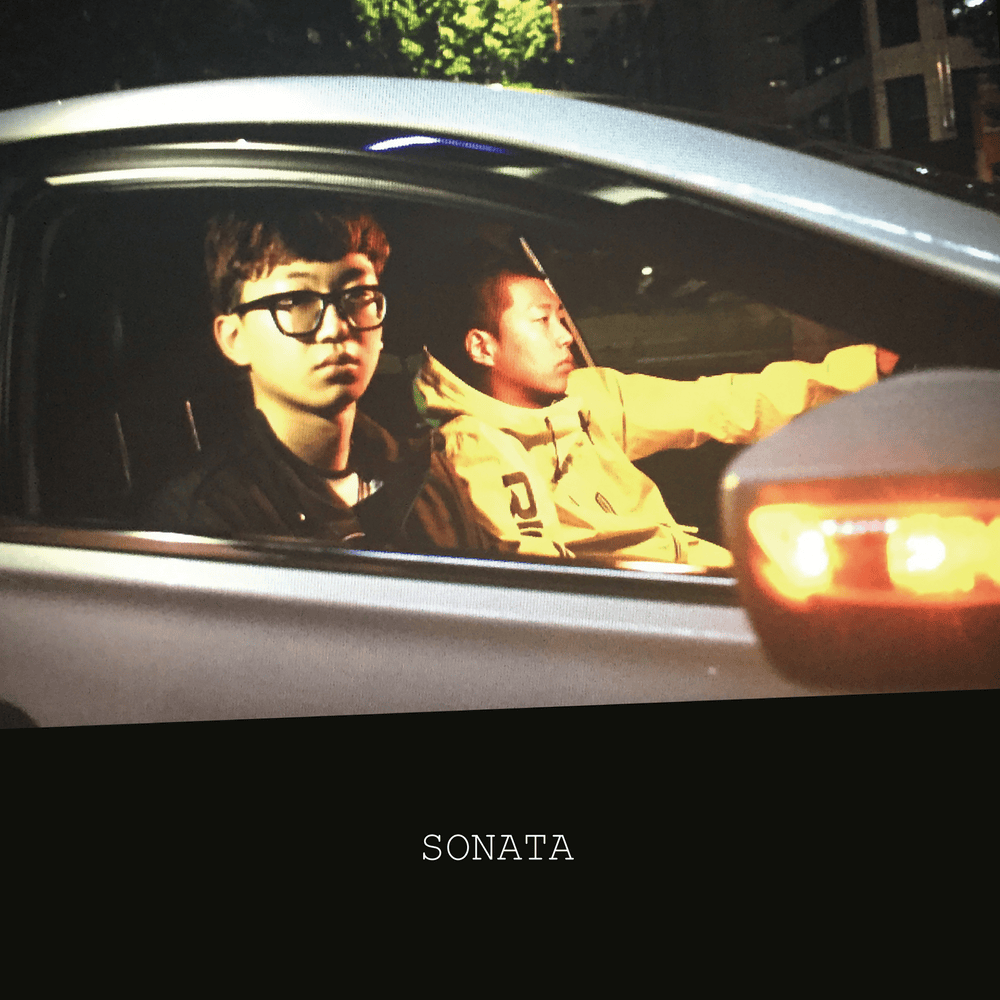
These lyrics open with a vivid scene: a young person in a white Hyundai Sonata, affectionately dubbed "my mama car." Through their eyes, this everyday vehicle transforms into a "super car." The panoramic sunroof opens wide, offering a glimpse of the sky, suggesting a feeling of freedom and boundless possibility.
There's a clear tension between how the narrator perceives the car and how others might. While for them, it's a "super car," they acknowledge that to others, it's "just a Sonata." This highlights a youthful desire to elevate their experience, perhaps to project an image of independence, as they note, "no one knows it's mom's car." A brief moment of responsibility surfaces, with lines like "feel guilty" and a resolve to "earn money hard," hinting at the borrowed nature of their freedom.
The most striking shift occurs when the narrative abruptly pivots from the Sonata to a Damas. What begins as a practical observation, "Sonata or Damas, between the two, Damas," quickly escalates into a playful, almost defiant rejection: "Sonata, not really, I'm Damas" and "throw away Sonata, Damas." This sudden embrace of the utilitarian Damas, culminating in a provocative final line, redefines what holds value for the narrator, moving away from perceived status.
Ultimately, these lyrics cleverly capture the evolving perspective of youth. They move from the aspirational joy of turning the ordinary into the extraordinary, through a fleeting moment of self-awareness, to a surprising, unpretentious embrace of authenticity. The specific, everyday car models ground the narrative, making the journey from perceived status to personal preference feel both relatable and refreshingly unexpected.