Song Meaning
The lyrics paint a stark, unsettling picture of self-loathing and a deeply conflicted relationship with a maternal figure. The narrator opens with a forceful "Mother, don't come near me," immediately establishing a boundary born from intense aversion. This disgust isn't just directed outward; it's internalized, with the repeated declaration "my body disgusts me" and "my scents disgust me." The core tension seems to revolve around a desperate, almost perverse need for the mother's presence, specifically her "dirty hands," even as the narrator expresses profound hatred for her and themselves.
The central conflict is the narrator's simultaneous repulsion and craving for the mother's touch and scent. They oscillate between "I need my greed" and "I hate my greed," suggesting an internal struggle with desires that are both essential and shameful. This internal battle is mirrored in the external one with the mother, where "you disgust me" is juxtaposed with the urgent "I need your dirty hands on me." The repetition of these conflicting statements amplifies the sense of being trapped in a destructive cycle.
The most striking aspect of the writing is the raw, unvarnished expression of contradictory impulses. The phrase "I need your dirty smell" followed by "I hate my greed" and then the refrain "I need your dirty hands on me" highlights a disturbing intimacy born from mutual disgust. The lyrics don't offer comfort or resolution; instead, they present a raw, visceral portrayal of a relationship where aversion and dependency are inextricably linked, leaving the listener with a profound sense of unease.
This lyrical approach is effective because it bypasses explanation and goes straight for emotional impact. The bluntness of phrases like "Mother, you disgust me" and "I disgust myself" creates a visceral reaction. The insistent repetition of the need for "dirty hands" amidst declarations of hate and self-disgust forces the listener to confront the uncomfortable reality of toxic dependency and the complex, often painful, ways people can be bound to each other.
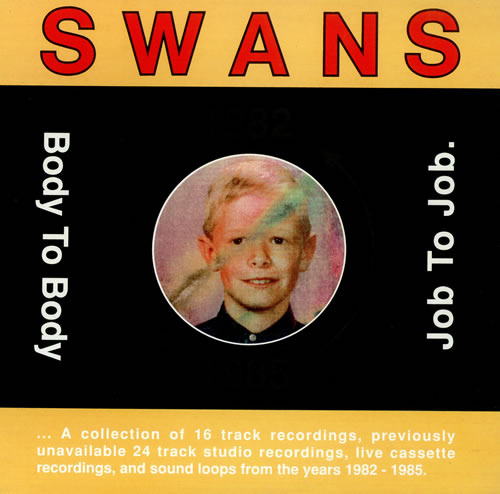
 View Artist