Song Meaning
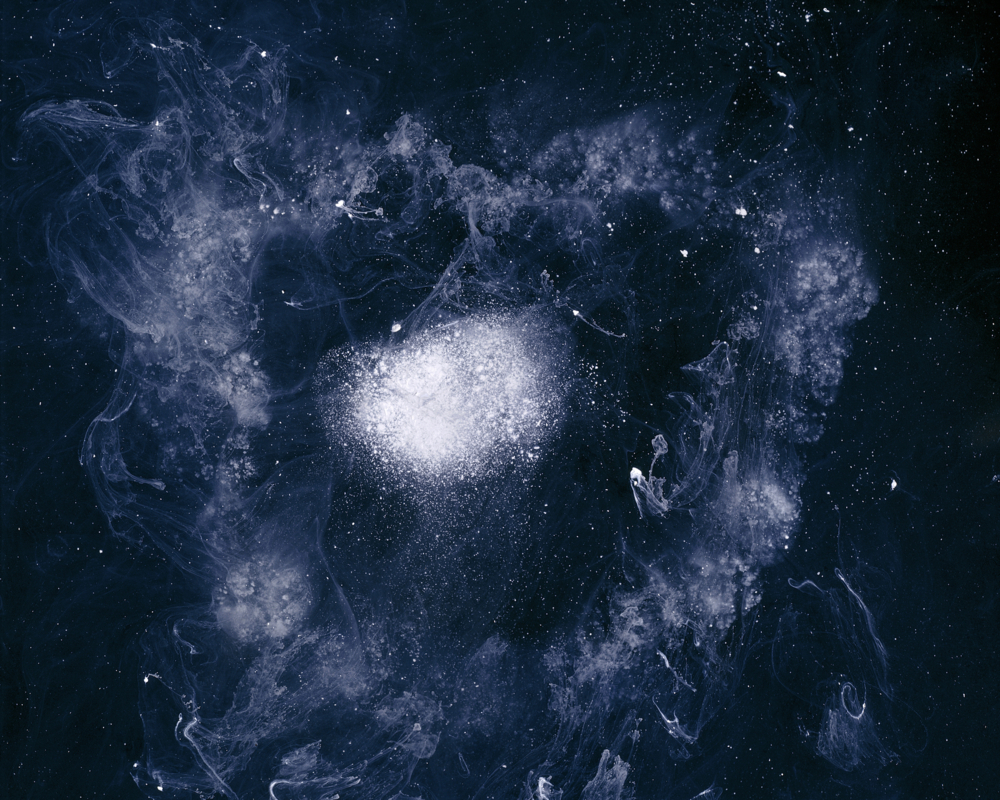
The lyrics paint a picture of Madeline as a cosmic, almost divine entity, whose inner workings are a celestial event. The "engine divine" and "stardust" suggest a profound, perhaps even spiritual, complexity within her. This internal universe is actively "mapping out time inside of her head," implying a consciousness that operates on a grand, perhaps non-linear, scale. The imagery is vast and awe-inspiring, setting a tone of wonder around Madeline's very being.
There's a palpable sense of separation and observation from the narrator's perspective. Madeline is described as "rising up from where our limbs intertwined," indicating a past intimacy now transcended. She's now on an "invisible line," a path distinct from the shared one, clinging "like snow to the side of the vine" – a fragile, yet persistent, presence. This suggests a transition where Madeline has moved beyond a shared existence into a solitary, perhaps more ethereal, state.
The bridge offers a stark contrast, presenting a vision of freedom that is almost disorienting in its lack of constraint. Madeline is "free to do nothing," "free to drift across the sky," and "free to be a shape just becoming." This isn't a liberation into action, but into pure potentiality, a state of being unburdened by definition. The repetition of "Now you're free" emphasizes this radical release, culminating in the powerful declaration that she is "free, inside Madeline," suggesting this boundless freedom is an intrinsic part of her essence.
Ultimately, the narrator seems to be witnessing Madeline's transformation or inherent nature, offering a plea to "Bring light to Madeline" and "Bring new life." The image of a "tear" in a "desiccate land" is a poignant, almost desperate, act of connection or acknowledgment from the narrator. It highlights Madeline's profound inner world and the narrator's desire to imbue her unique existence with renewed vitality or understanding, recognizing the immense, almost overwhelming, power contained within her.
 View Artist