Song Meaning
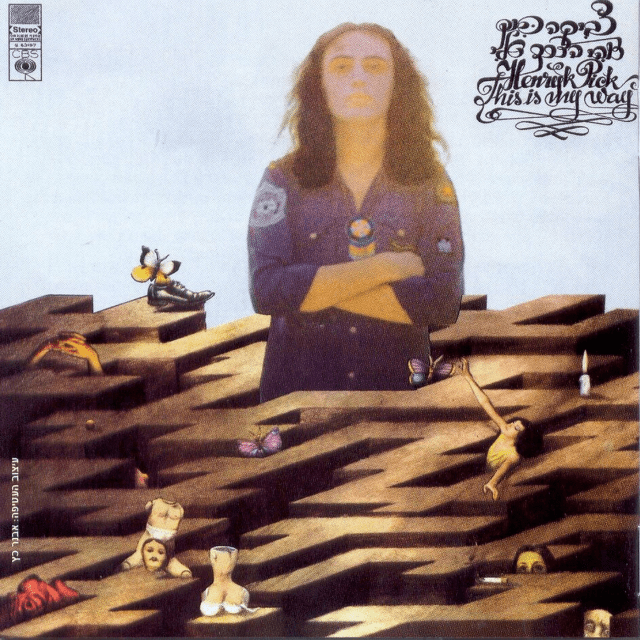
The lyrics present a profound acceptance of life's dualities, framing them as integral to the narrator's personal path. The opening lines establish a belief in both darkness and wilting flowers, immediately juxtaposed with faith in the sun illuminating paths. This sets a tone of embracing the full spectrum of existence, not just the pleasant aspects. The repeated declaration, "כי זוהי דרכי, זוהי הדרך שלי" (For this is my way, this is my path), acts as a powerful mantra, grounding these seemingly contradictory beliefs in a singular, personal journey.
The central tension arises from the narrator's unwavering faith in suffering and hardship, alongside a belief in happiness that emerges specifically "בשעת צרה" (in times of trouble). This isn't a naive optimism, but a mature understanding that joy is often forged in the crucible of difficulty. The lyrics suggest that true solace or happiness isn't a constant state, but a hard-won victory that gains its meaning precisely because of the preceding struggles.
The most striking craft element is the consistent use of "אני מאמין" (I believe) paired with contrasting concepts. This repetition builds a sense of conviction and deliberate choice. The narrator doesn't just passively experience these things; they actively choose to place their faith in them. The inclusion of belief in "רוח" (spirit/wind) and a higher power "יושב הכל יכול" (the Almighty sits) further expands this worldview, suggesting a spiritual framework that encompasses both the tangible and the intangible, the good and the bad.
Ultimately, the effectiveness of these lyrics lies in their honest portrayal of a resilient worldview. It's not about pretending bad things don't happen, but about finding meaning and purpose within them. The repetitive chorus reinforces the idea that this acceptance and belief system *is* the narrator's identity, their chosen way of navigating the world, making the song a declaration of self and a testament to finding peace through embracing life's inherent complexities.
 View Artist