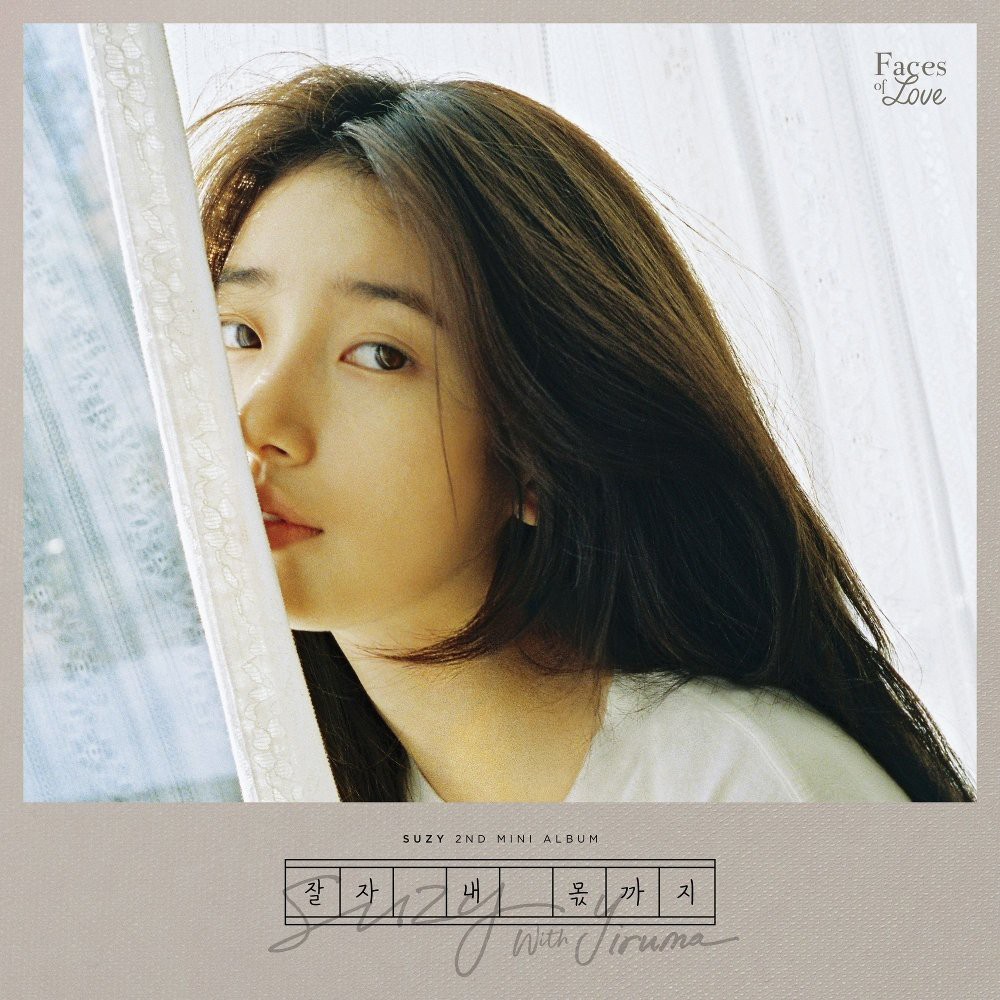
Song Meaning
The narrator is stuck in a sleepless night, haunted by the absence of someone who has left. The opening lines immediately establish a sense of finality and abandonment, comparing the departed person to a moon that has set, mirroring the narrator's own feeling of being forsaken. This sets a somber, melancholic tone for the entire piece, where sleep itself becomes a symbol of peace and closure that remains out of reach.
The core tension lies in the narrator's inability to move on, trapped by the lingering hope and the painful habit of waiting. They acknowledge this waiting as a "bad habit" and something they do "without realizing," highlighting the involuntary nature of their suffering. The lyrics suggest a one-sided emotional struggle, where the narrator is "achieving that difficult thing" – enduring the pain – while the other person offers only "tears as a gift," implying a lack of reciprocity or even cruelty in their departure.
The most striking element is the repeated, almost ritualistic plea: "Sleep well for my share, sleep well in my place." This phrase is a profound expression of the narrator's desire for the other person to find peace, even as they themselves are denied it. It's a selfless wish born from deep pain, a way of saying, "If I can't have rest, at least you should." The inversion of "sleep well" to "sleep well for my share" and "sleep well in my place" powerfully conveys the narrator's burden, suggesting they are carrying the weight of both their own sorrow and the other's peace.
This lyrical construction is effective because it externalizes the internal conflict. The inability to sleep and the inability to dream of the departed person become tangible manifestations of the narrator's unresolved grief. The contrast between the other person's easy arrival and presumed easy departure, versus the narrator's protracted suffering, underscores the unfairness of the situation. The final lines, "The moon has risen, like you...", offer a faint, almost ironic glimmer of return, but the overwhelming sentiment remains one of enduring, sleepless pain, unreciprocated pain.