Song Meaning
The lyrics paint a picture of a complicated post-breakup scenario, where the narrator finds herself in her ex-boyfriend's space, grappling with lingering feelings. The initial verses establish him as an academically successful but emotionally distant figure, someone who "outlearned everyone" but is "always mad on vacation." This sets up a contrast between his intellectual prowess and his emotional immaturity, a dynamic the narrator seems to have accepted, or at least navigated.
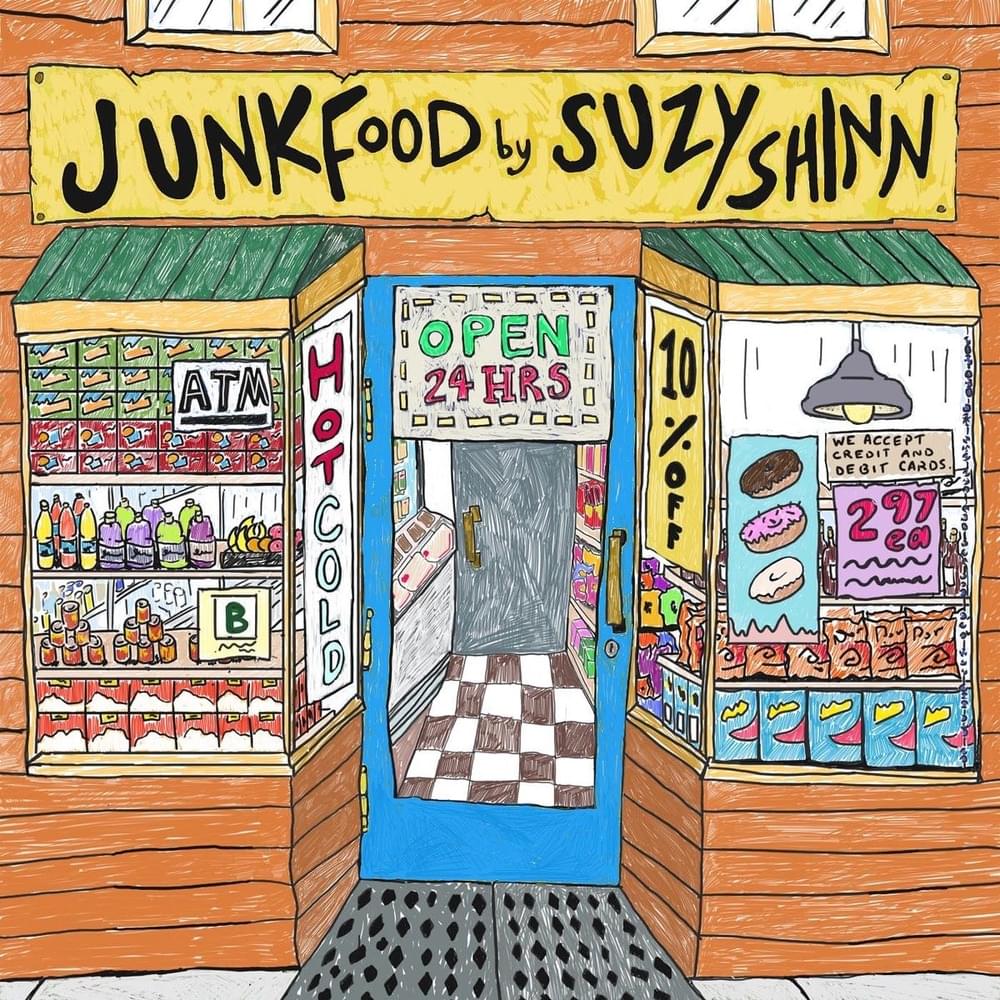
The central tension lies in the narrator's contradictory emotions. She's "eating junk food / In a bad, bad mood" in his bedroom, a clear sign of distress and perhaps a comfort-seeking behavior. Yet, she also admits, "I still love him anyway, even yesterday," highlighting an enduring attachment despite the evident problems in their past relationship. The line "When did he get so funny?" suggests a shift in his behavior that confused her, possibly his attempt at humor masking his seriousness or detachment.
The most striking craft element is the repetition of "Eating junk food / In a bad, bad mood," which acts as a sonic and thematic anchor for the narrator's current state. It's a simple, almost childlike expression of unhappiness, made more poignant by its placement in his "bedroom." This domestic, intimate setting amplifies the emotional weight of her actions and feelings, suggesting a regression or a clinging to familiar, albeit unhealthy, coping mechanisms.
Ultimately, these lyrics resonate because they capture the messy, non-linear nature of heartbreak and lingering affection. The narrator isn't just sad; she's confused, still attached, and engaging in self-soothing behaviors in the physical space of the person who caused her pain. The final lines, "I know it's gonna be okay / (I'm gonna hate him any day)," perfectly encapsulate this push-and-pull, offering a sliver of hope undercut by the immediate possibility of resentment.
 View Artist