Song Meaning
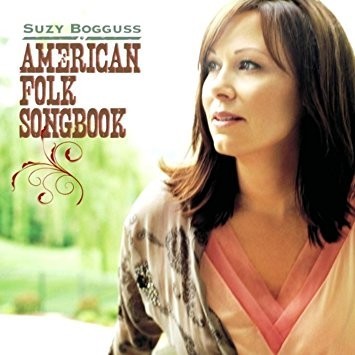
Suzy Bogguss's rendition of "Johnny Has Gone for a Soldier" isn't just a folk song; it's a stark portrait of love and sacrifice painted against the backdrop of war. The opening lines, "Here I sit on Buttermilk Hill / Who can blame me cry my fill?" immediately plunge us into the narrator's desolation. The image of tears powerful enough to "turn a mill" underscores the immensity of her grief – a grief not just for Johnny's absence, but for the uncertain future that stretches before her. The refrain, "Johnny has gone for a soldier," acts as a constant, painful reminder of her reality. Bogguss delivers it with a poignant simplicity that amplifies its emotional weight. She transforms a historical lament into a modern meditation on love, loss, and longing.
The lyrics reveal the extent of the narrator's devotion. She's willing to sell her possessions – "my clock, I'll sell my wheel" – to arm Johnny, prioritizing his safety over her comfort. This act of sacrifice speaks volumes about the power dynamics inherent in wartime relationships, where women often bear the brunt of emotional and economic hardship. The nonsensical chorus, "Shoo-lah, shoo-lah, shoo-lah, gro / Me, oh my, I love him so," offers a glimpse into the raw, unfiltered emotion that words alone cannot capture. It’s the sound of a heart breaking, a primal expression of love and despair.
Ultimately, "Johnny Has Gone for a Soldier" is a testament to the enduring power of love in the face of adversity. The narrator's willingness to "dye my petticoats crimson red / And through the streets I'll beg my bread" highlights her determination to survive and remain faithful to Johnny. It’s a pledge of enduring love against the bleak backdrop of war. Suzy Bogguss's interpretation, therefore, transcends a simple historical narrative; it's a timeless exploration of the human heart's capacity for both profound sorrow and unwavering hope, a quintessential folk song meaning that resonates across generations.
 View Artist