Song Meaning
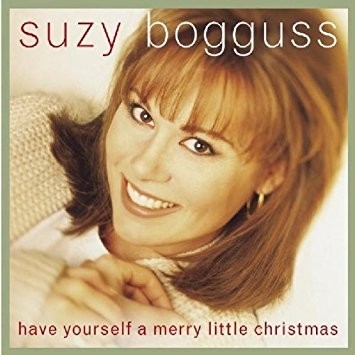
Suzy Bogguss doesn't just sing "Have Yourself a Merry Little Christmas"; she inhabits it. The song, a standard for generations, carries a weight of bittersweet nostalgia, a longing for simpler times that feels especially poignant in Bogguss's rendition. It's not a saccharine declaration of holiday cheer, but rather a gentle encouragement to find joy amidst underlying hardship, hinting that perhaps "troubles" aren't so easily banished as the lyrics initially suggest. The opening lines, with their hopeful insistence that worries will disappear, are immediately tempered by the inherent understanding that such escape is fleeting, a temporary reprieve offered by the season. Bogguss's interpretation understands this complex emotional landscape perfectly.
The middle verses, steeped in imagery of "olden days" and "golden days of yore," highlight the powerful human desire to return to perceived moments of happiness and security. This yearning for the past isn't merely sentimental; it speaks to a fundamental psychological need for stability and connection, particularly during times of uncertainty. The gathering of "faithful friends" becomes a ritualistic act, a reaffirmation of bonds that provide comfort and resilience. It’s a beautiful, almost desperate clinging to shared history.
Yet, even within this comforting embrace of tradition, a thread of uncertainty persists. The line "If the faiths allow" introduces an element of fragility, acknowledging that even the strongest connections are subject to forces beyond our control. This subtle vulnerability elevates the song beyond mere holiday sentimentality, transforming it into a meditation on the enduring power of hope in the face of life's inherent impermanence. The act of hanging "a shining star upon the highest cloud" becomes an almost defiant gesture, a small act of faith against an uncertain future, perfectly captured in Bogguss's understated delivery of "Have Yourself a Merry Little Christmas."
 View Artist