Song Meaning
Suzy Bogguss's "Cross My Broken Heart" isn't a typical lament; it's a study in the enduring power of love, even after separation. The song meaning resides in that space between acknowledging pain and choosing to remember the beauty. The opening lines, "Maybe it's true we're not together / But when I close my eyes / You're still here," immediately establish this tension. It's a sophisticated take on heartbreak, recognizing that the emotional imprint of a relationship can outlast its physical presence. This isn't about bitterness; it's about the bittersweet reality that love, once experienced, becomes a part of one's internal landscape. The phrase "cross my broken heart" acts as both a promise and a vulnerability, a testament to the enduring impact of this past relationship.
The repeated lines, "Maybe I am blue / Maybe I'm crazy too / But I'll always love you," drive home the almost irrational nature of enduring affection. There's an acceptance of the perceived 'craziness' of holding onto love despite the pain. It hints at a psychological truth: that our brains are wired to remember and even romanticize the positive aspects of relationships, sometimes to a fault. The lyrics analysis reveals that the song isn't wallowing, but rather actively choosing to cherish the memory of love, even if it comes with a tinge of melancholy. This is a mature perspective, acknowledging the complexities of human emotion without succumbing to simple narratives of victimhood or resentment.
Ultimately, "Cross My Broken Heart" embraces the idea that love, in its purest form, transcends circumstance. The lines, "I could say love wasn't worth / All the tears that it took / But I wouldn't lie to you now / You know I never could," are particularly telling. They suggest a refusal to diminish the value of the experience, despite the heartache. Bogguss delivers a powerful message: that love, even when lost, can be a source of strength and a defining element of the self. It's a sophisticated take on heartbreak, one that finds solace not in forgetting, but in remembering with a sense of gratitude and acceptance.
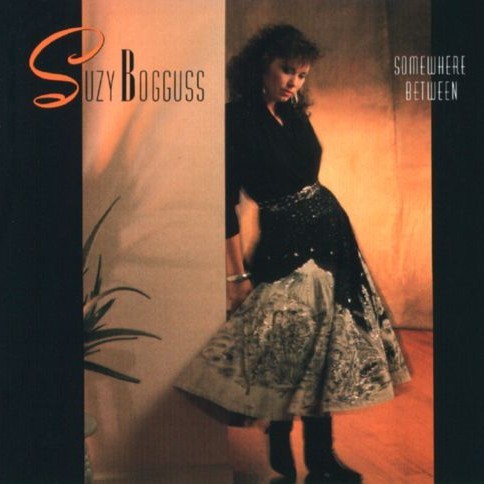
 View Artist