Song Meaning
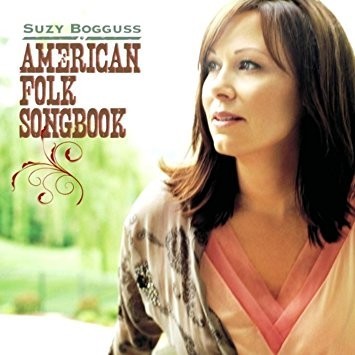
Suzy Bogguss's rendition of "All the Pretty Little Horses" isn't just a lullaby; it's a haunting exploration of comfort and the veiled anxieties of motherhood. The initial promise of "all the pretty little horses" acts as a soothing balm, a distraction from the unspoken hardships inherent in life. It's the idyllic dream we sell to children, a curated fantasy designed to shield them from the harsh realities lurking just beyond the nursery door. But the darkness seeps in. The repetition of the opening verse underscores the cyclical nature of this comfort, suggesting an endless loop of reassurance against a persistent, underlying dread. This isn't just about putting a baby to sleep; it's about quieting a deeper, more primal fear.
The contrasting image of the "poor little lambie" lying in the meadow disrupts the placid surface of the lullaby. This vulnerable creature, surrounded by buzzing insects and crying for its mother, introduces a stark element of loss and abandonment. The butterflies, often symbols of transformation and beauty, become almost sinister here, hovering around the lamb's eyes like inescapable reminders of its isolation. This verse injects a potent dose of melancholy, hinting at the fragility of life and the inevitability of suffering, even within the seemingly safe confines of childhood. The "Blacks and bays, dapples and grays" chorus, initially a colorful image of playful horses, now takes on a more somber tone, perhaps representing the diverse shades of sorrow and hardship that life inevitably throws our way.
Ultimately, "All the Pretty Little Horses," as interpreted by Bogguss, transcends its simple lullaby structure to become a meditation on the complex emotions surrounding parenthood. It's a song about the tension between the desire to protect our children from pain and the knowledge that such protection is ultimately impossible. The promise of "pretty little horses" becomes a bittersweet offering, a symbol of both love and the awareness that the world holds far more than just gentle dreams. The song's meaning resides in this unsettling duality, making it a powerful and enduring piece of folk art.
 View Artist