Song Meaning
{"song_id": 14171462, "meaning": "Suzi Quatro's rendition of \"Wake Up Little Susie\" isn't just a throwback; it's a masterclass in capturing the delicious dread of teenage transgression. The song spirals around a central, almost comical, crisis: two young lovers have fallen asleep at the movies, only to awaken at 4 AM, facing the music (so to speak) of parental and social judgment. The genius lies in how Quatro's raw, rock-infused energy amplifies the underlying anxiety of the situation, transforming a potentially saccharine scenario into something palpably edgy. The repetition of \"Wake up little Susie\" becomes less a gentle nudge and more a desperate plea, mirroring the escalating panic as the implications of their innocent (or not-so-innocent) slumber sink in.
The brilliance of \"Wake Up Little Susie\" resides in its understanding of the teenage psyche. It's not merely about the act of falling asleep; it's about the looming specter of reputation, the fear of disappointing authority figures, and the agonizing social calculus of 'what will people say?' The lyrics, simple as they are, perfectly encapsulate this adolescent turmoil. The line, \"Our goose is cooked, our reputation is shot,\" isn't just hyperbole; it's the end of the world as a teenager knows it. Quatro's interpretation injects a rebellious spirit into this anxiety, suggesting a quiet defiance beneath the surface panic.
Ultimately, the song’s meaning transcends the specific scenario. \"Wake Up Little Susie\" is a timeless exploration of the tension between youthful desire and societal expectations. It’s about the universal experience of navigating the treacherous waters of adolescence, where every action carries the weight of potential judgment. The question of \"what are we gonna tell your mamma?\" isn't just about explaining a late night; it's about confronting the complex web of rules and expectations that define the transition into adulthood. Quatro's powerful performance underscores the enduring appeal of this narrative, reminding us of the exhilarating and terrifying freedom of youth."}
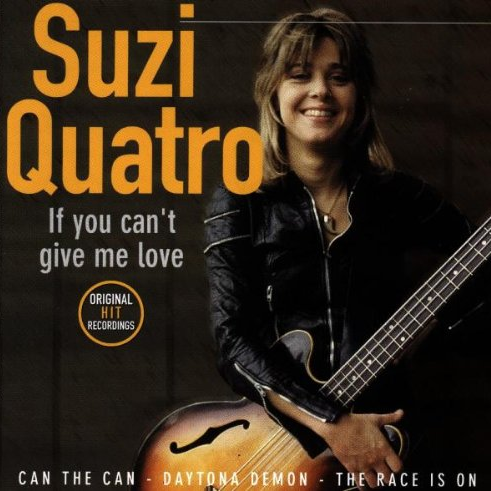
 View Artist