Song Meaning
These lyrics present a speaker who has built formidable emotional defenses. There's a quiet, almost weary acceptance of inevitable distance in relationships. The narrator actively avoids attachment, repeatedly stating, "I don't have expectations." This isn't indifference, but a profound act of self-preservation.
The central emotional tension lies between this declared detachment and a deeply vulnerable core. The repeated assertion, "I don't have expectations," functions less as a statement of fact and more like a desperate mantra. The conflict is clear: a desire for connection battles a profound fear of inevitable pain, leading the speaker to proactively draw a boundary.
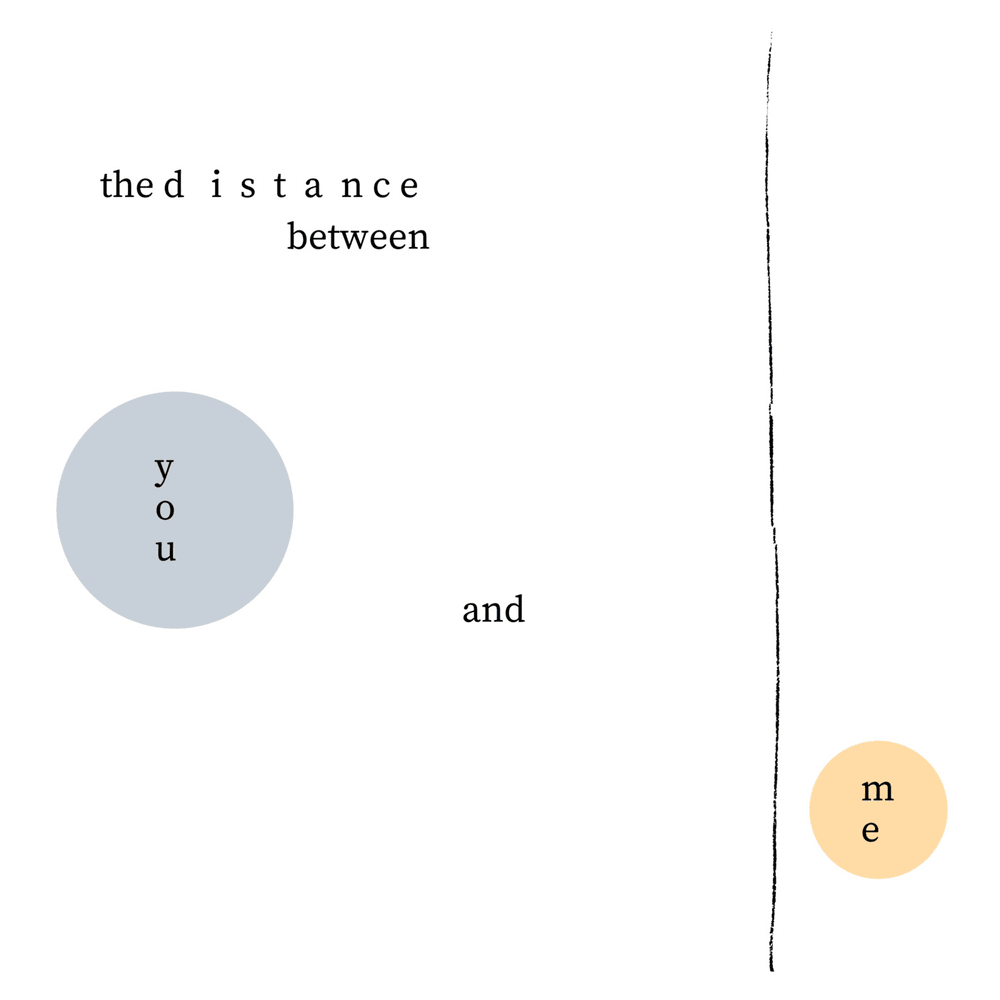
The most striking craft element is the central metaphor: "I've already drawn the line between us." This isn't a passive barrier but an actively maintained one, reinforced by the dynamic, "If you take one step closer, I'll take one step back." The speaker justifies this distance by labeling themselves and others as "ordinary people," whose "hearts change even with a change in weather," cynically deflecting any potential for unique or lasting connection.
Ultimately, these lyrics are effective because they articulate a common, painful defense mechanism. The shift from outward resilience – "I'm good at enduring, good at forgiving" – to the raw admission of vulnerability, "My sadness isn't important anyway," makes the speaker deeply human. This pre-emptive heartbreak, the decision to avoid promises to avoid "eventually be sad," resonates with anyone who has learned to protect themselves from disappointment.
 View Artist