Song Meaning
This lullaby paints a tender picture of a mother soothing her child amidst the stark beauty of Lapland. The opening lines immediately establish a sense of gentle rocking, "Äiti lasta tuudittaa" (Mother rocks the child), set against the vast, remote landscape of "tuntureiden" (the fells). The passage of time is marked by the fading day and the distant stars, creating a serene, almost cosmic backdrop for this intimate moment. It's a scene of quiet devotion, where the natural world, though potentially harsh, becomes a comforting presence.
The core tension lies in the contrast between the child's present vulnerability and the mother's hopeful vision for their future. She acknowledges the "kylmä hallayö" (cold frost night) and the way "Toivot usein maahan lyö" (hopes often strike the ground), suggesting life's inevitable hardships. Yet, she reassures the child that they will one day inherit "Nää laajat lapin maat" (these vast Lapland lands), framing the harsh environment as a future gift and birthright. This duality imbues the lullaby with a profound sense of resilience and enduring love.
The most striking element is how the raw, elemental forces of Lapland are recontextualized as part of the lullaby itself. The "Räiske pohjanloimujen" (crackle of the northern lights) and the "Tuisku, viima tuulien" (blizzard, wind of the winds) are not presented as threats, but as the very music of the north, becoming "Kehtolaulua vain on / Ne lapin lapselle" (just a lullaby / for the child of Lapland). This transforms the wild, untamed landscape into a nurturing, albeit unconventional, cradle song, emphasizing a deep connection between the child and their homeland.
Ultimately, the lyrics resonate because they capture a universal parental desire to protect and provide, while grounding it in a specific, powerful sense of place. The mother's unwavering hope, projected onto the vastness of the Lapland landscape, offers a profound sense of belonging and future security. The reinterpretation of natural phenomena as a comforting melody underscores the deep, almost spiritual bond between the child, the mother, and the land they inhabit, making the harshness of the environment a source of strength rather than fear.
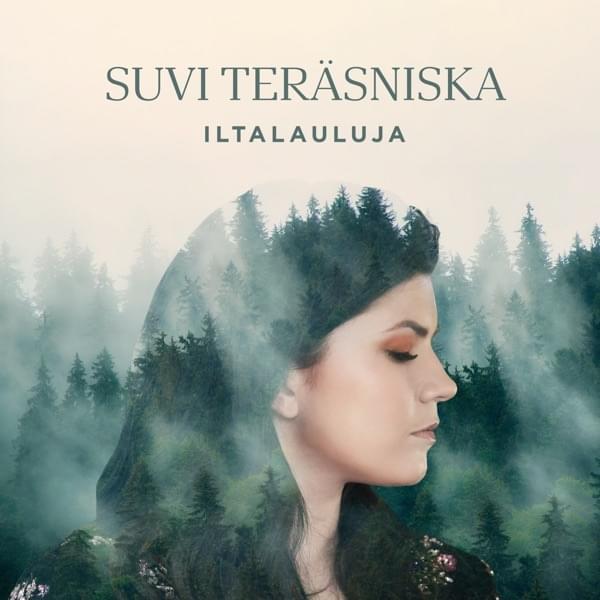
 View Artist